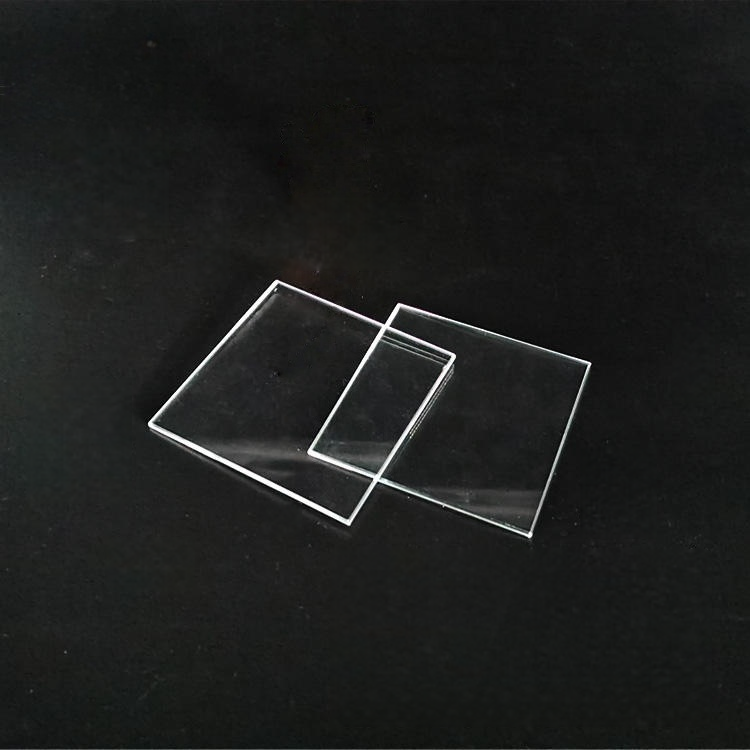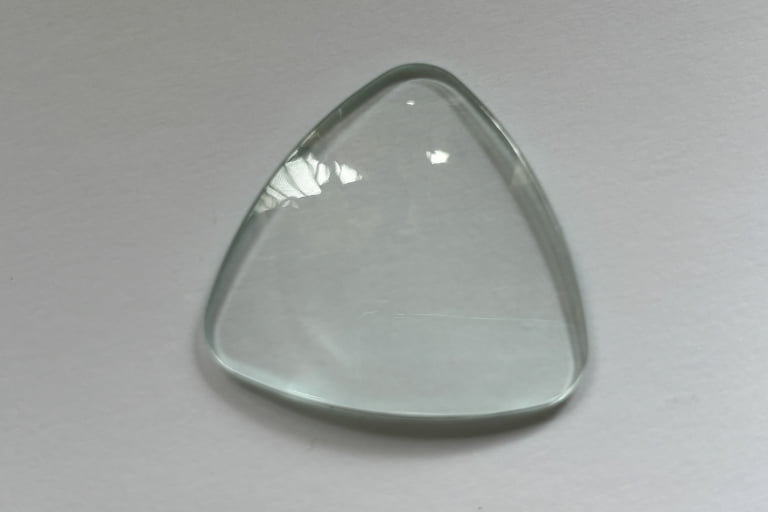

In September 2026, Trinseo, Lapo, and Laprima Plastics announced a major milestone in PMMA circularity—successfully converting post-industrial PMMA waste back into virgin-grade MMA monomer. This is a step towards a true closed-loop recycling pathway. But what does this breakthrough mean for industrial buyers sourcing PMMA components? 1. Three Trends That Matter for Industrial PMMA Buyers […]
In September 2026, Trinseo, Lapo, and Laprima Plastics announced a major milestone in PMMA circularity—successfully converting post-industrial PMMA waste back into virgin-grade MMA monomer. This is a step towards a true closed-loop recycling pathway. But what does this breakthrough mean for industrial buyers sourcing PMMA components?
1. Three Trends That Matter for Industrial PMMA Buyers
1) Recycled Content is Becoming a Procurement KPI.
Historically, procurement teams focused only on optical clarity, mechanical strength, and cost.
With Trinseo’s latest breakthrough, “recycled content percentage” (like the 80% recycled MMA used in this project) is becoming a measurable metric.
For OEMs with strict ESG goals, sourcing PMMA with a verified recycled stream will soon be a requirement, not just a bonus.
2) Quality is No Longer a Compromise.
The biggest fear with recycled plastics is degradation.
However, this project proves that chemically recycled PMMA can match virgin material in optical performance.
For optical components, lenses, and display panels, the physical properties—light transmittance, scratch resistance, and durability—remain intact.
3) Supply Chain Transparency is the New Standard.
As recycling loops mature, buyers will need to trace their material sources more carefully.
The partnership between Trinseo (material), Lapo (eyewear design), and Laprima (recycling tech) shows that closed-loop supply chains are becoming a reality, not just a concept.
2. How Winson Optics Responds to These Trends
At Winson Optics, we are already preparing for the shift toward more sustainable optical materials:
-
Material Selection: We offer both virgin and high-quality recycled PMMA/PC options for non-critical optical applications. We help you balance cost, performance, and sustainability.
-
Precision Manufacturing: Whether it’s a chemically recycled PMMA sheet or a virgin one, our CNC cutting, polishing, and silk-screen printing processes ensure the final part meets your optical standards.
-
Consultation: If you are under pressure to reduce your carbon footprint, talk to our engineering team. We can advise on whether a recycled material grade is suitable for your specific HMI, display, or lighting application.
3. Conclusion
Trinseo’s breakthrough reflects a broader shift in the plastics industry: from purely competing on price to competing on lifecycle responsibility.
For industrial buyers, the takeaway is clear: The PMMA you source today will not just be judged by its optical clarity, but by its environmental footprint tomorrow.
We are ready to help you navigate this transition. 👇
📩 Get a Free Quote
Looking for high-quality custom PMMA or PC components? Contact us for a fast quote.
Reference:
Trinseo, Partners Take Another Step Towards Potential Closed-Loop Recycling Pathway for PMMA in Eyewear Applications
https://www.trinseo.com/news-and-events/trinseo-news/2026/september/trinseo-partners-take-another-step-towards-potential-closed-loop-recycling-pathway-for-pmma-in-eyewear-applications