
Customized Anti-Reflective (AR) PC Windows Manufacturer
Multi-layer AR coatings engineered specifically for polycarbonate substrates -- delivering ≥98% visible light transmission with impact resistance and design flexibility for demanding B2B applications.
Product Gallery
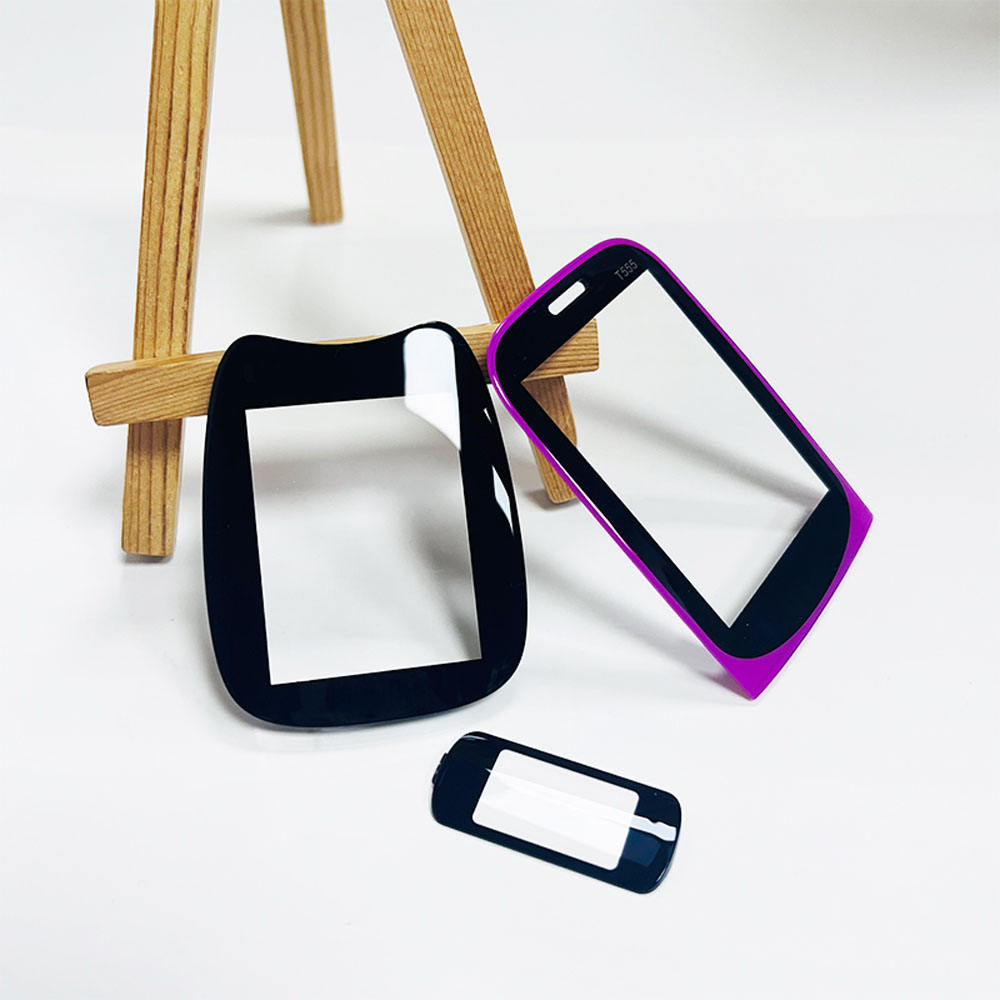
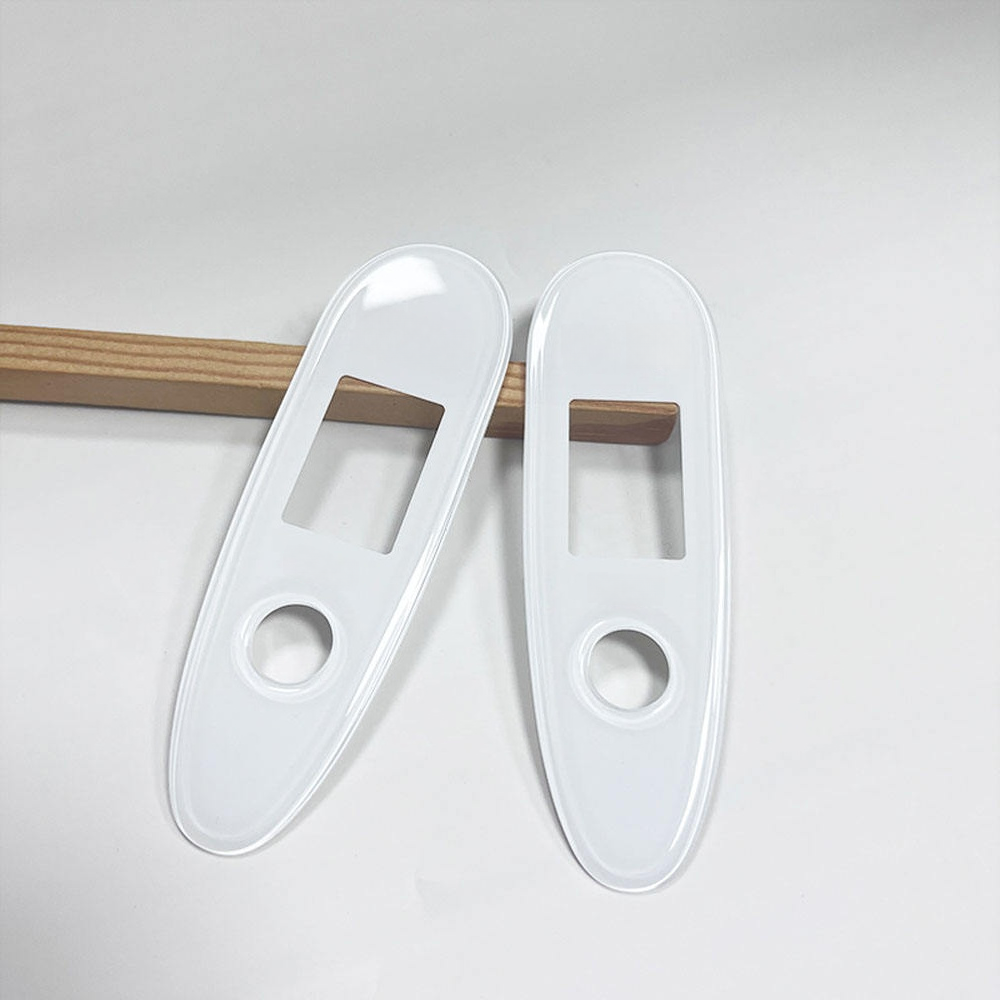
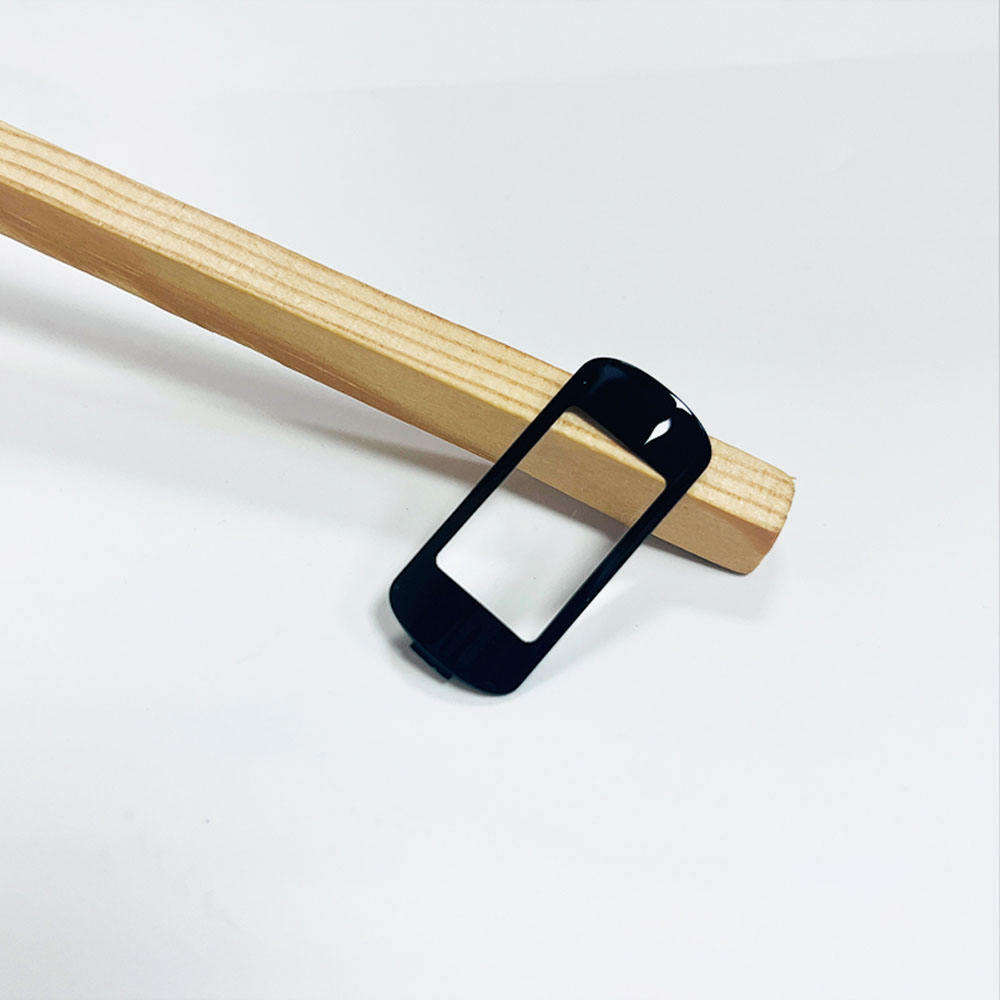
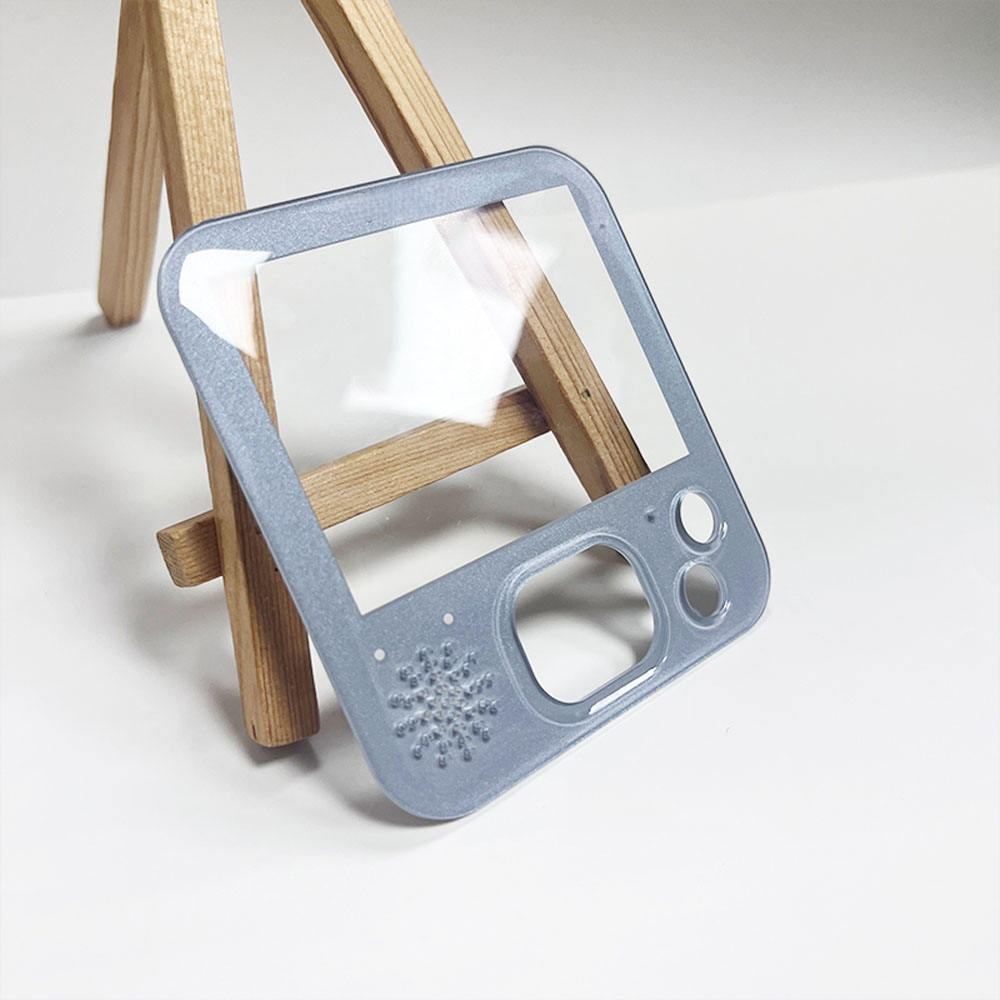
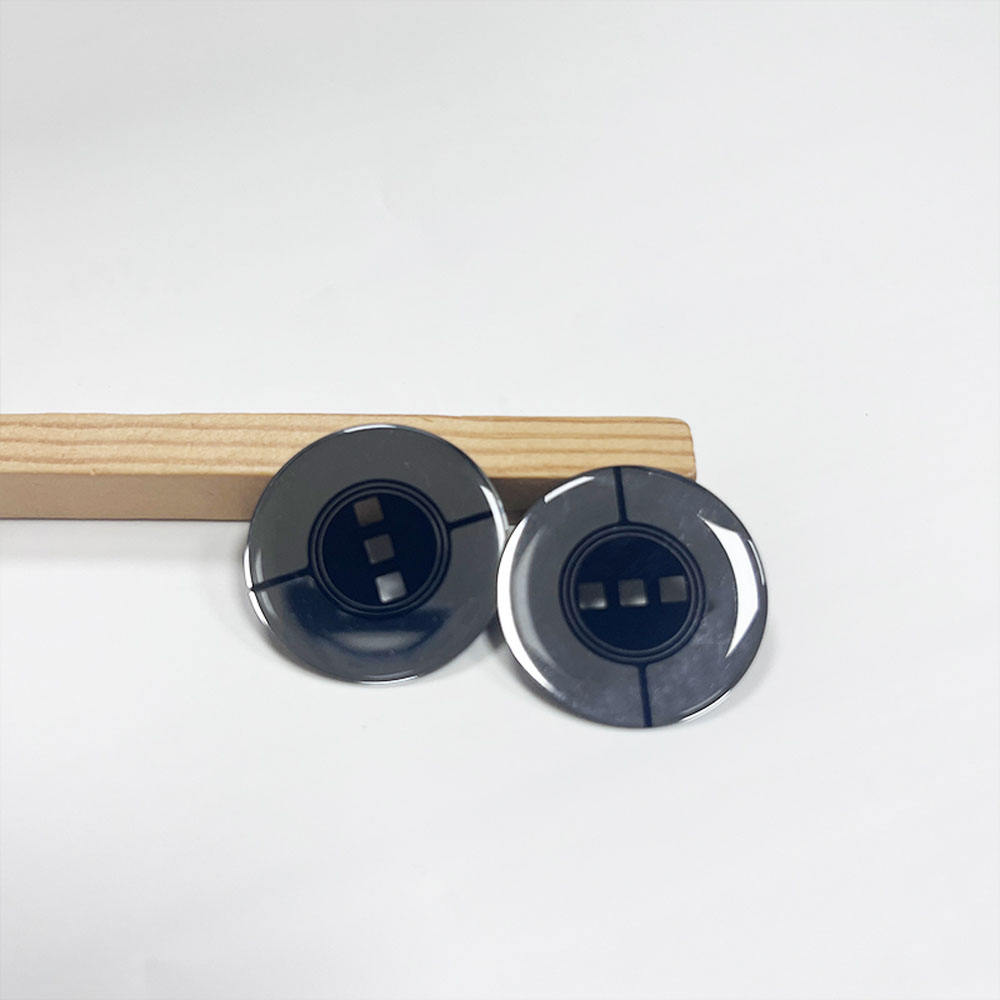
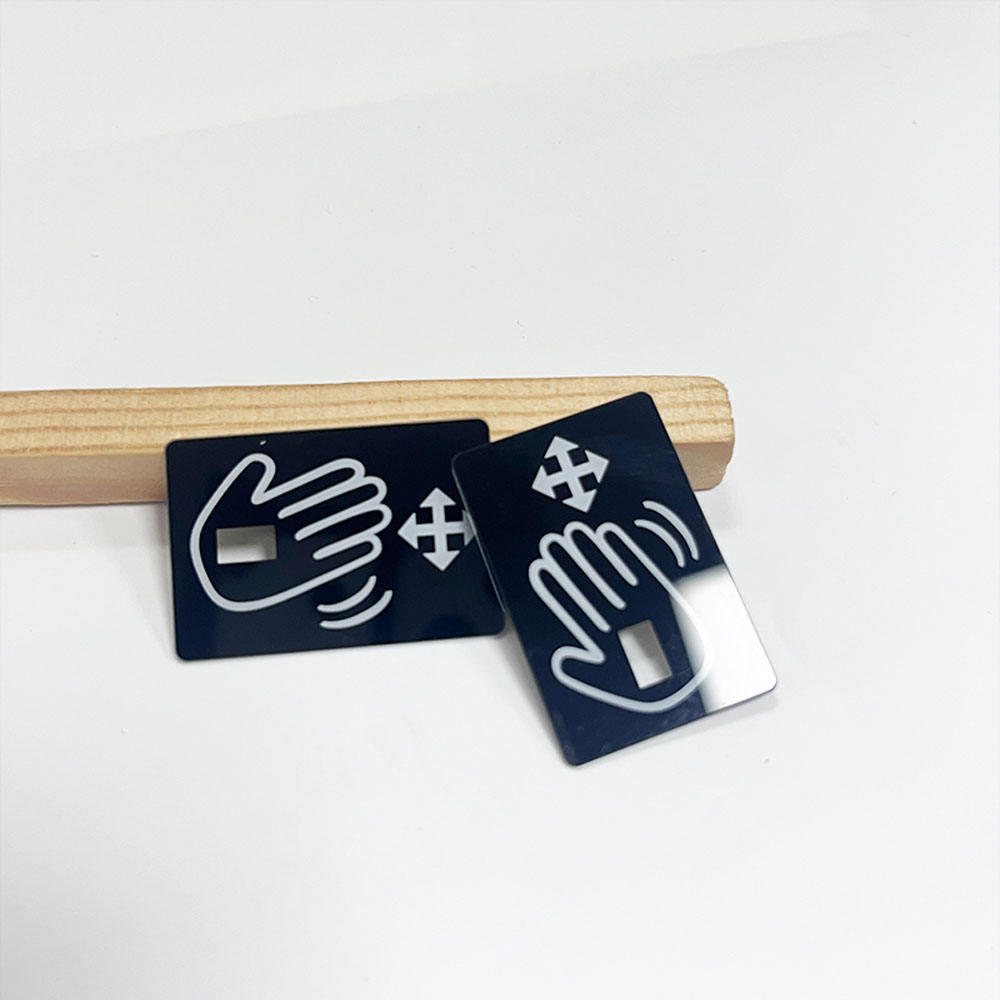
Precision-manufactured AR PC windows with advanced anti-reflective coatings, engineered for superior optical clarity and high-light transmission in demanding display applications.
How Our AR Stack Works on PC
A precisely engineered sequence of optical thin films, each serving a distinct role in eliminating reflection while preserving the mechanical integrity of the polycarbonate substrate.
Cross-Section: AR Stack on PC
Oleophobic finish, reduces fingerprint adhesion
n=1.46, destructive interference at 550nm
n=2.35, phase-matching for broadband coverage
Graded-index transition, prevents delamination
Critical adhesion layer, 3H hardness base
Optical-grade PC, custom thickness & dimensions
Measurable Optical Performance
Customizable Wavelength Range
Standard broadband (400-700nm) or application-specific: NIR-enhanced (700-1100nm) for sensor windows, UV-extended for inspection systems. Specify your target wavelength in the RFQ.
The PC-AR Coating Challenge
Polycarbonate's low surface energy and thermal sensitivity make standard glass AR processes fail. Winson's process is engineered from the substrate up.
Thermal Sensitivity
PC distorts above 120°C -- our low-temperature PECVD deposition stays under 80°C throughout.
Adhesion Failure
Inorganic coatings peel on bare PC. Our proprietary hard-coat primer ensures >3B adhesion per ASTM D3359.
Durability Trade-off
Thin coatings scratch easily; thick ones crack. Our graded-index stack balances hardness (3H pencil) with flexibility.
Engineering Data Sheet
All parameters are measured values under standard conditions. Custom specs available upon request.
| Parameter | Standard Value | Custom Range |
|---|---|---|
| Material Grade | Optical-grade PC (n=1.586) | UV-stabilized, tinted, flame-retardant |
| Thickness | 2.0mm, 3.0mm | 0.5mm - 10mm |
| Thickness Tolerance | ±0.1mm | ±0.05mm (precision grade) |
| Max Panel Size | 500mm × 500mm | Up to 1200mm × 800mm |
| Surface Flatness | <0.2mm/m | Polished to λ/4 |
| Edge Finish | CNC machined, chamfered | Polished edge, radius corner |
| Parameter | Value | Test Method |
|---|---|---|
| Transmission (VIS, 400-700nm) | ≥98% | ISO 13468-2 |
| Residual Reflectance (per surface) | <0.5% | Spectrophotometer |
| Haze | <0.3% | ASTM D1003 |
| Coating Uniformity (ΔT) | ±0.5% across panel | 9-point measurement |
| NIR Option (700-1100nm) | ≥95% (custom) | Per customer spec |
| Residual Reflection Color | Neutral green-blue | CIE L*a*b* |
| Parameter | Value | Standard |
|---|---|---|
| Pencil Hardness (coated) | 3H | ISO 15184 |
| Impact Rating | IK08 (5J) | IEC 62262 |
| Adhesion (cross-hatch) | 5B (0% loss) | ASTM D3359 |
| Abrasion Resistance (Taber) | ΔHaze <3% @ 100 cycles | ASTM D1044 (CS-10F) |
| Thermal Cycling | No delamination, -40°C to +85°C | IEC 60068-2-14 |
| Humidity Resistance | No change @ 85°C / 85% RH, 1000h | IEC 60068-2-78 |
| Chemical Resistance | IPA, Acetone (surface wipe) | Internal protocol |
| Capability | Details |
|---|---|
| Deposition Method | Low-temperature PECVD / Magnetron Sputtering |
| Max Process Temperature | <80°C (PC-safe) |
| Coating Sides | Single-side or Dual-side |
| Secondary Operations | CNC cutting, drilling, screen printing, bonding |
| Minimum Order Quantity | 50 pcs (prototype: 5 pcs) |
| Lead Time (Prototype) | 7-10 business days |
| Lead Time (Mass Production) | 15-25 business days |
| QC Documentation | CoC, spectral report, AQL inspection report |
Where AR PC Windows Perform Best
Engineered for environments where optical clarity, impact resistance, and lightweight design must coexist.
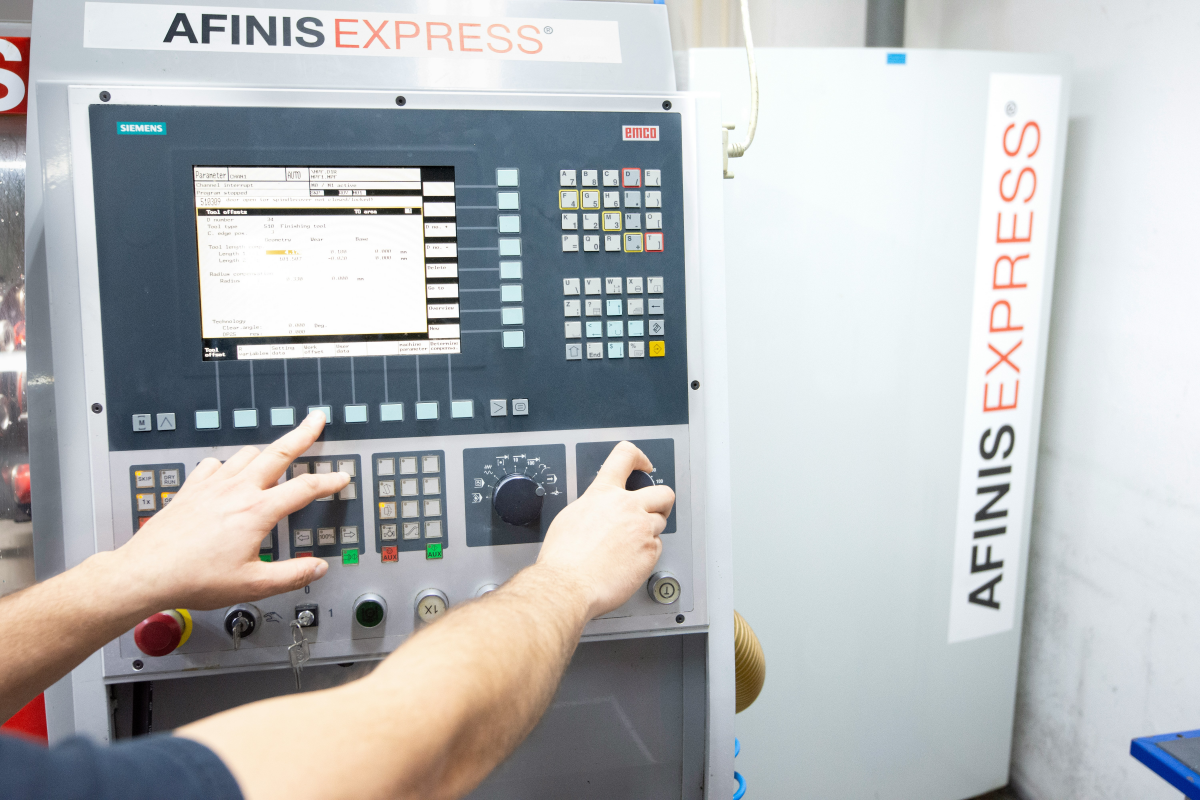
HMI & Industrial Displays
Eliminate glare on factory-floor touchscreens and control panels. AR coating improves readability under harsh ambient lighting without sacrificing IK08 impact protection.
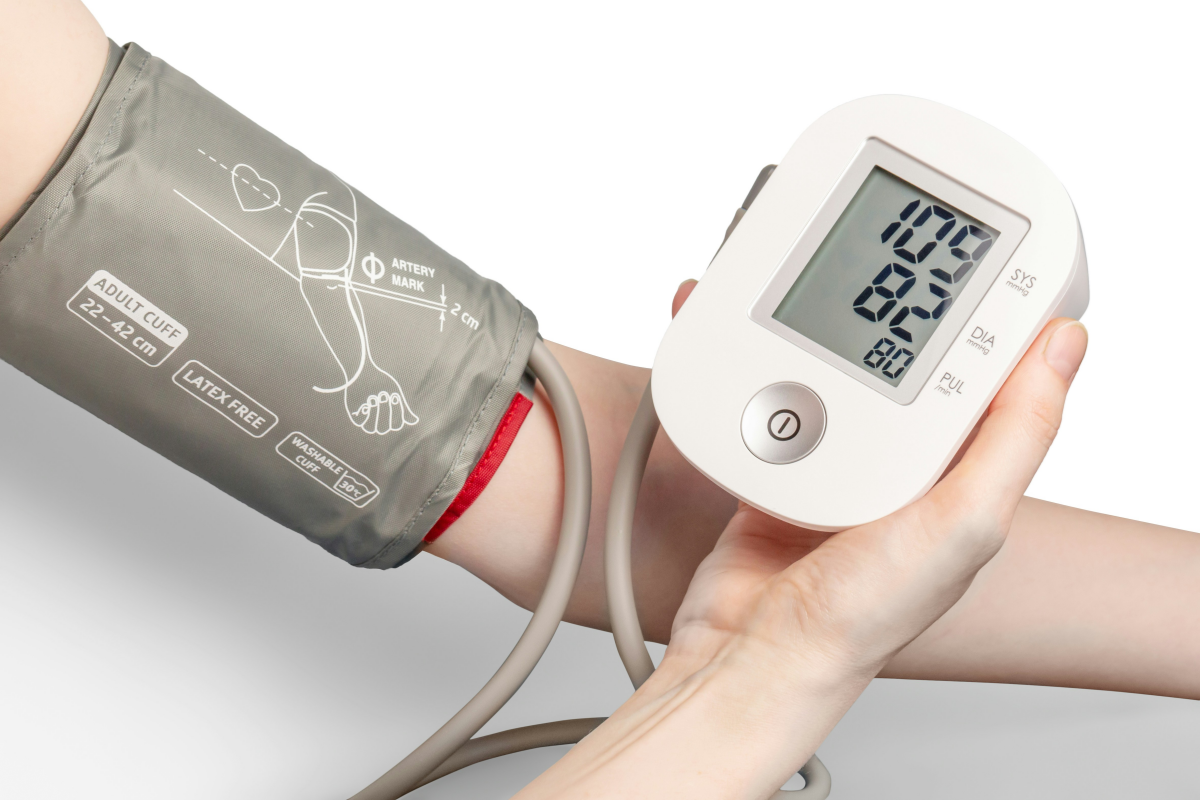
Medical Device Interfaces
Diagnostic equipment, patient monitors, and portable imaging devices benefit from low-reflection windows that maintain hygiene (easy-clean surface) and survive sterilization cycles.
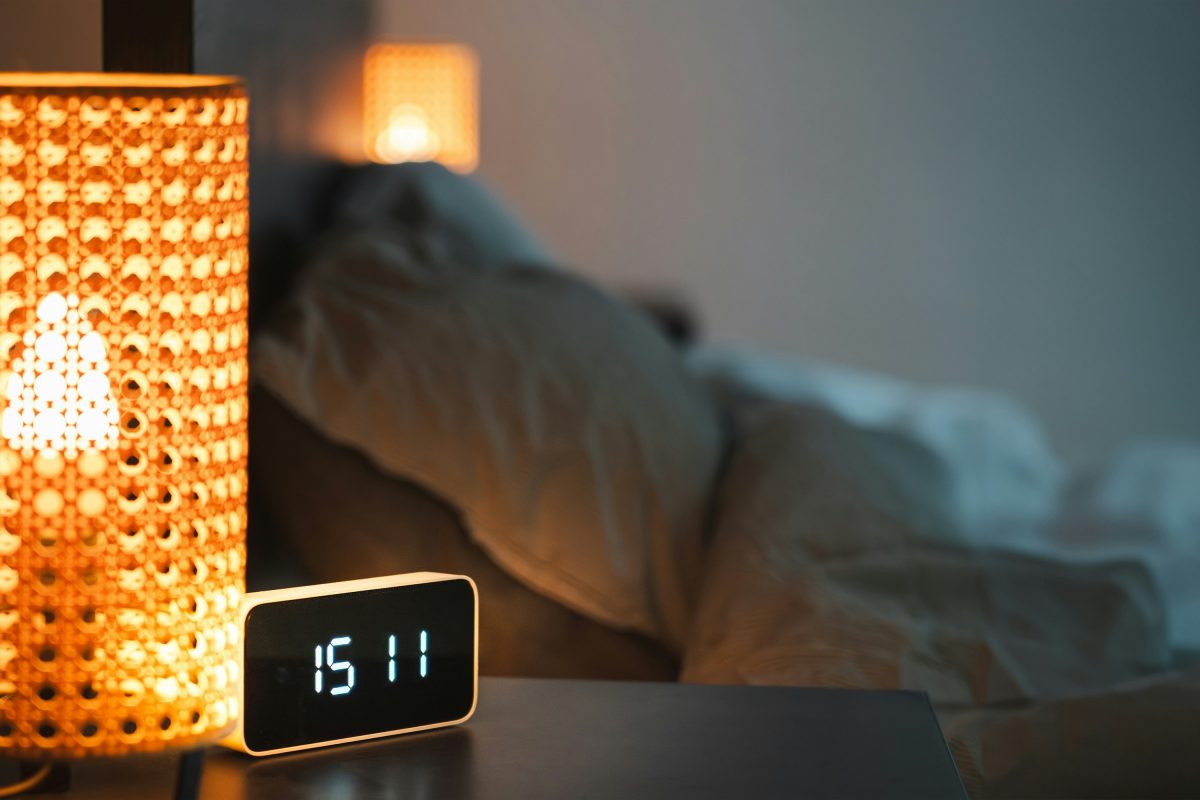
Smart Home & Consumer IoT
Thermostat screens, smart display bezels, and intercom panels demand premium aesthetics. AR PC windows deliver a premium look at a fraction of glass weight and cost.
Machine Vision & Sensor Windows
NIR-optimized AR coatings for LiDAR apertures, barcode scanner windows, and proximity sensor covers. Maximize signal-to-noise without the weight penalty of glass.
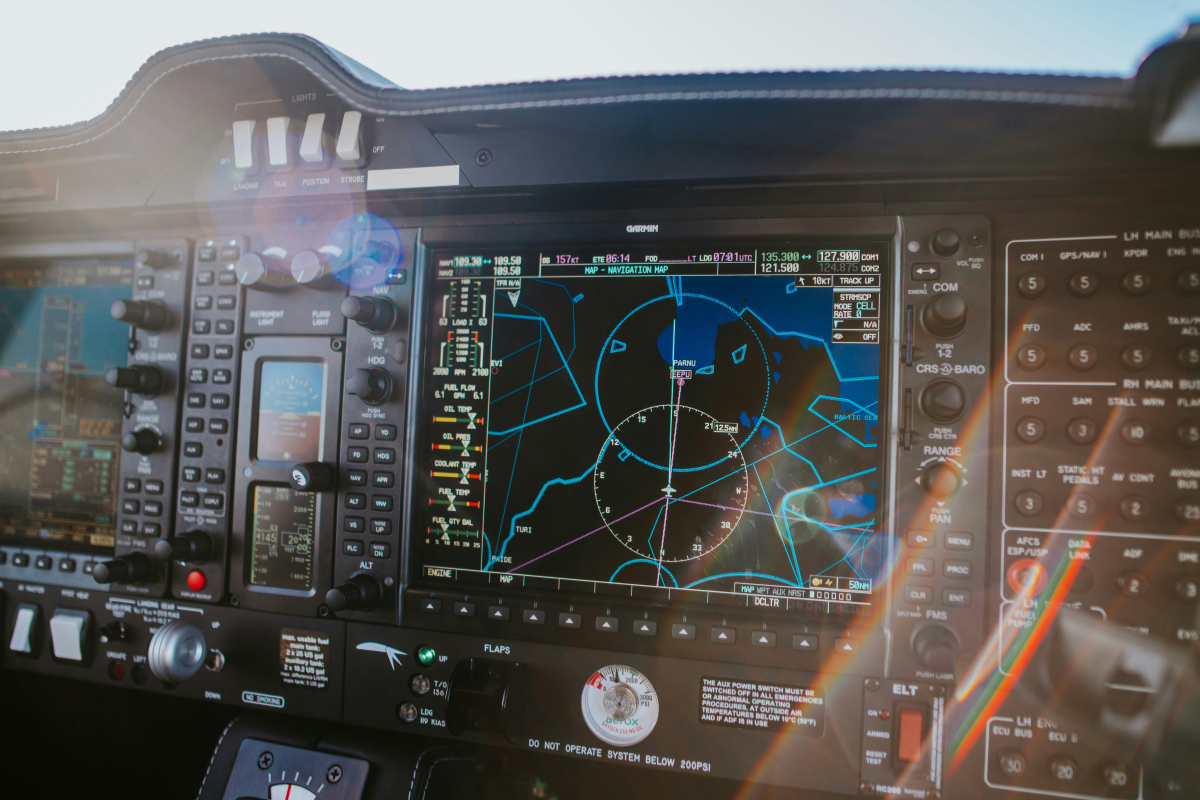
Avionics & Defense Panels
Lightweight AR windows for cockpit instrument covers and ruggedized handheld displays. Meets MIL-STD-810 vibration requirements with custom shape cutting and edge sealing.
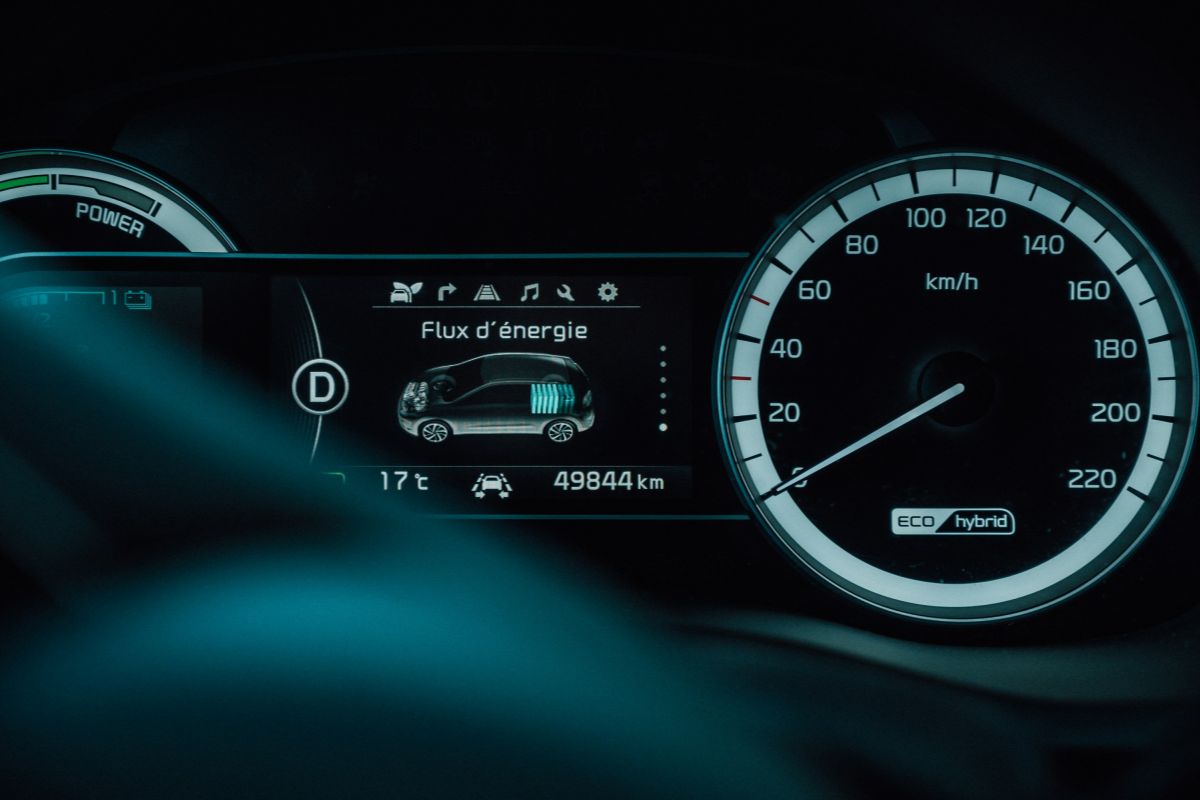
EV & Automotive Interiors
Dashboard display covers and in-vehicle infotainment bezels. AR coating reduces driver distraction from windshield reflections while maintaining the premium feel required by Tier-1 OEMs.
Questions R&D Engineers Ask
Straight answers to the technical questions that matter most when specifying AR-coated PC components.
Can standard vacuum-deposited AR coatings be applied directly to PC without a primer?
No. Bare PC has low surface energy and the thermal expansion mismatch between inorganic coating materials (SiO₂, TiO₂) and PC is significant. Without a hard-coat primer, adhesion will fail within 50-100 thermal cycles. Our SiC-based primer bridges this mismatch and provides a stable, chemically bonded interface for the optical stack. This is the most common failure mode we see in competitor samples.
What is the maximum operating temperature for AR-coated PC windows?
Continuous operating temperature is limited by the PC substrate: typically -40°C to +110°C for standard grades, up to +130°C for high-heat PC grades. The coating itself is stable to over 200°C, but the substrate will deform first. For applications above 110°C, we recommend switching to our sapphire or borosilicate glass AR windows instead.
Can you coat only one side and leave the other side uncoated or with a different treatment?
Yes. We support single-side AR with the reverse side having: bare PC, hard-coat only, anti-fingerprint (AF) coating, or even a custom silk-screened border/logo. Mixed coating configurations are handled in our multi-step process and are priced accordingly. Specify your requirements in the RFQ form and our engineers will confirm feasibility within 24 hours.
How does the AR coating affect touchscreen performance (capacitive sensing)?
Our standard AR stack uses non-conductive dielectric materials (SiO₂, TiO₂, MgF₂) and does not affect capacitive sensing. The total coating thickness is typically 0.3-0.8μm -- negligible compared to the PC substrate thickness. For applications requiring precise capacitive tuning, we can provide dielectric constant measurements of the coated stack. ITO-compatible versions are also available for resistive touch applications.
What is the minimum order for prototypes, and what documentation is provided?
Prototype MOQ is 5 pieces with a lead time of 7-10 business days. Each prototype order includes: dimensional inspection report, spectral transmission curve (witness sample), cross-hatch adhesion test result, and a Certificate of Conformance. We can also provide a material data sheet for the specific PC grade used. Prototype pricing is quoted separately from production pricing.
Can the AR coating be combined with other functional coatings (EMI shielding, anti-fog)?
Yes, with caveats. AR + anti-fingerprint (AF) is our most common combination and is standard. AR + ITO (for EMI/touch) requires careful stack design to avoid optical interference -- feasible but adds 2-3 weeks to development. AR + anti-fog hydrophilic coatings are possible for outdoor enclosures. Each functional combination requires separate optical design and validation. Describe your requirements in the inquiry and we'll advise on the most practical stack.