Electronic Cover Glass · Safety Series

Customized
Anti-Shatter &
Safety Glass

Engineered for impact-critical environments. Our customized safety glass integrates chemical tempering, anti-shatter film lamination, and precision CNC forming -- delivering IEC 62368-compliant protection for medical, industrial, and smart-home applications.

ISO 9001 Certified
RoHS & REACH Compliant
24-hr Engineering Response
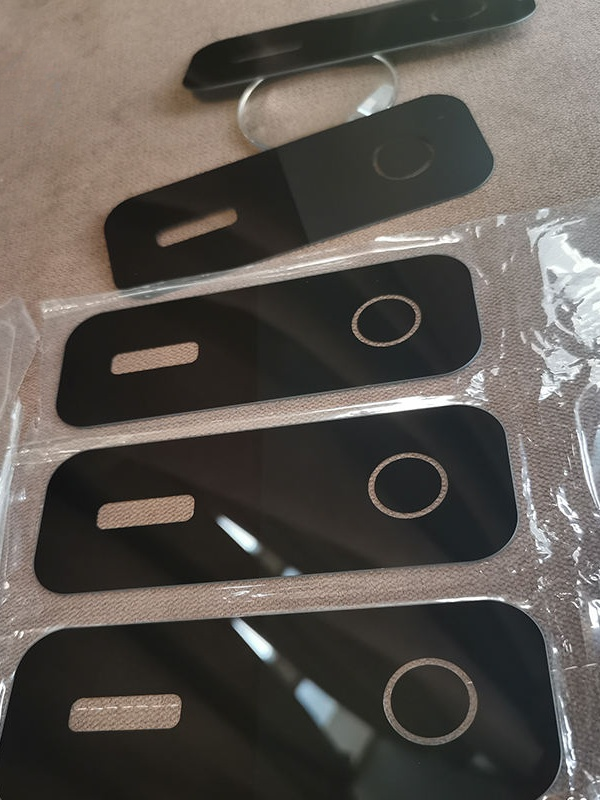
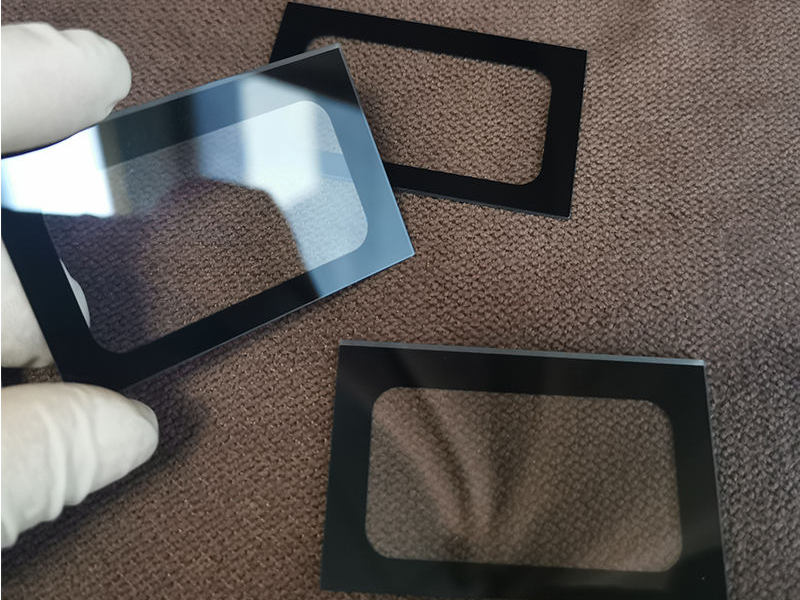
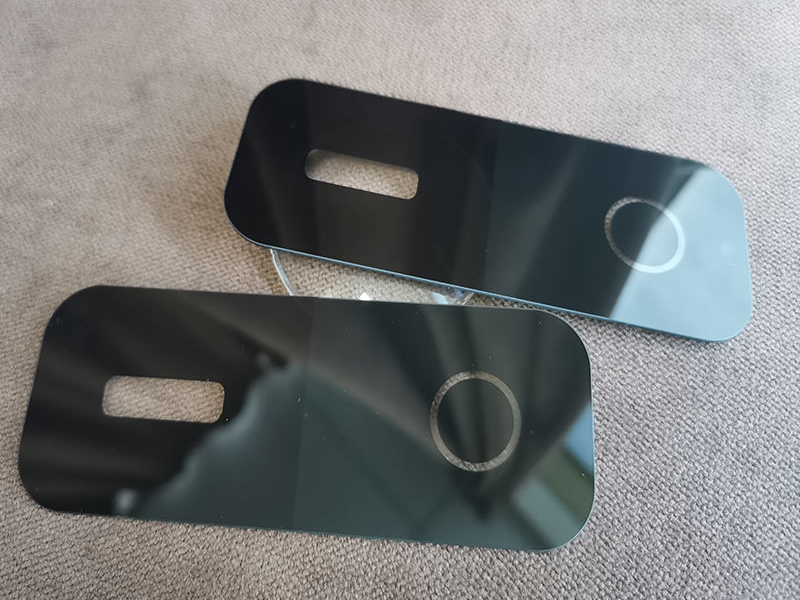
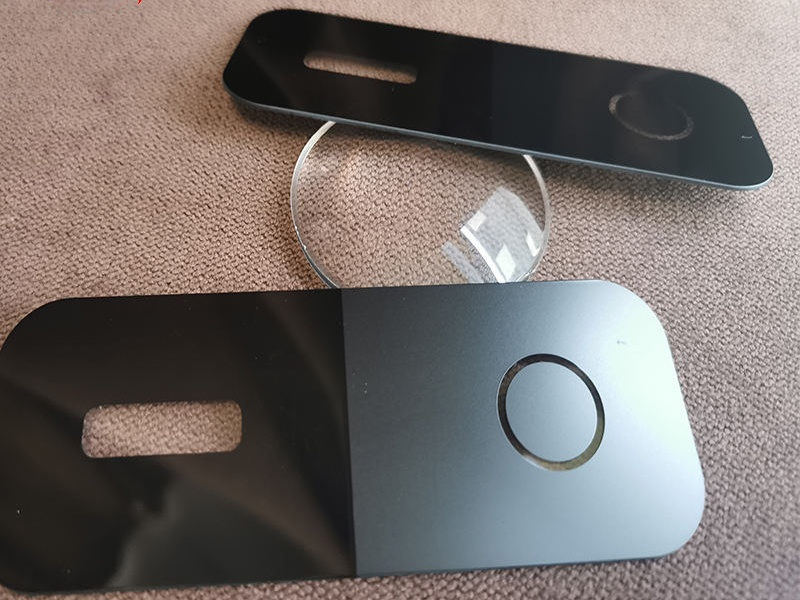
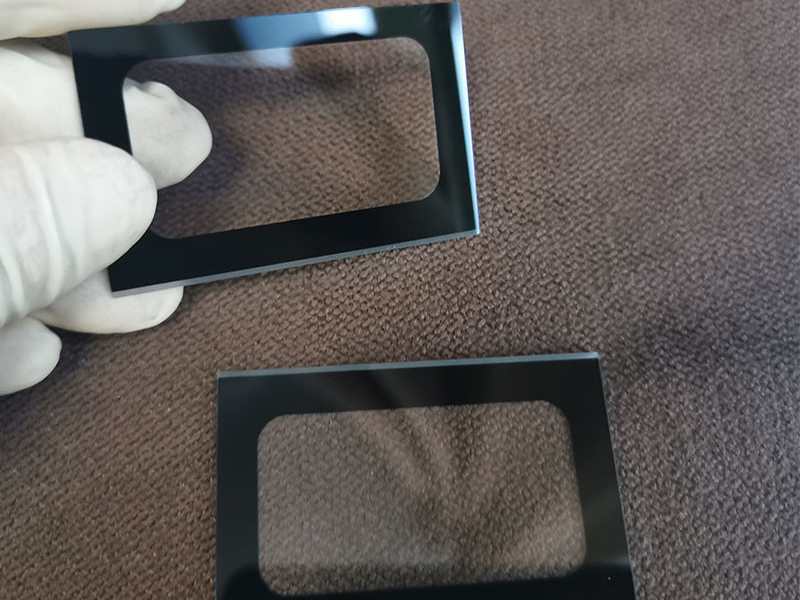
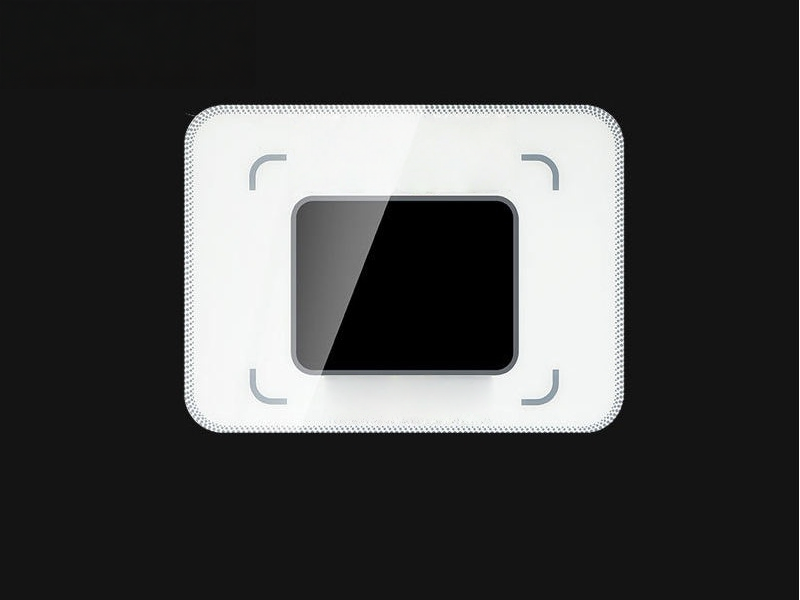
Customized Anti-Shatter Safety Glass panel -- precision CNC-formed with chemical tempering
Impact Resistance Verified
Drop test ≥ 1.2m · Surface hardness ≥ 7H
≥ 7H
Pencil Hardness
1.2m
Drop Test Height
0.55mm
Min. Glass Thickness
100%
Outgoing Inspection
Why Safety Glass Matters

The Hidden Risk in
Standard Cover Glass

In medical devices, industrial HMIs, and smart-home touch panels, a shattered display doesn't just mean downtime -- it means liability, user injury, and costly field recalls. Standard annealed glass fails unpredictably, scattering sharp fragments that violate IEC 62368 and UL 60950 safety clauses.

Purchasing managers sourcing from generic factories often discover compliance gaps only at the final audit stage. R&D engineers specify "tempered" without defining the compressive stress profile -- and receive glass that barely passes initial tests but degrades under thermal cycling.

Winson Optics engineers anti-shatter performance from the substrate selection stage -- not as an afterthought coating.

"After 12 years as a procurement auditor, I've seen buyers pay 30% more in rework costs because the factory didn't disclose that their 'tempered glass' had non-uniform stress distribution. We built our process around what a rigorous buyer would demand."

Iris · Partner & Chief Procurement Advisor
12 yrs sourcing experience · Winson Optics

Our 3-Layer Safety Architecture

01

Chemical Tempering (Ion Exchange)

Potassium-ion exchange bath creates a compressive stress layer (CS ≥ 700 MPa, DOL 20-50 µm). Unlike thermal tempering, this process works on glass as thin as 0.55mm without optical distortion -- critical for precision touch sensors.

02

Anti-Shatter PET Film Lamination

Optically clear adhesive (OCA) bonding of 100-200 µm anti-shatter PET film. Fragments are retained on the film upon impact, preventing secondary injuries. Haze ≤ 1.5%, light transmittance ≥ 91%.

03

Precision CNC Edge Forming & Stress Relief

CNC diamond-wheel grinding with chamfered or C-edge profiles eliminates micro-cracks at cut edges -- the #1 failure initiation point in field returns. Post-process stress measurement via polariscope is standard.

Engineering Data

Technical Specifications

Full parameter transparency. Every spec below is measurable, testable, and documented in our outgoing QC report.

Glass Substrate

Material Options Corning® Gorilla, AGC Dragontrail, Soda-Lime
Thickness Range 0.55 - 6.0 mm
Max. Panel Size 1200 × 900 mm
Dimensional Tolerance ± 0.05 mm
Flatness ≤ 0.1 mm / 100 mm

Tempering Performance

Process Type Chemical (Ion Exchange)
Compressive Stress (CS) ≥ 700 MPa
Depth of Layer (DOL) 20 - 50 µm
Pencil Hardness ≥ 7H
Bending Strength ≥ 400 MPa

Optical Properties

Light Transmittance ≥ 91%
Haze (with film) ≤ 1.5%
Reflectance (AR coated) ≤ 0.5% per surface
Surface Roughness (Ra) ≤ 0.5 nm
Refractive Index 1.50 - 1.52 @ 589nm

Safety & Impact

Drop Test (500g steel ball) ≥ 1.2 m (no penetration)
Fragment Retention 100% (PET film)
Thermal Shock Resistance -40°C ↔ +85°C (200 cycles)
Compliance Standards IEC 62368, EN 12150
Edge Treatment C-edge / Flat / Custom

Surface Treatments

Anti-Reflection (AR) Coating Available
Anti-Fingerprint (AF) Coating Available
AG (Anti-Glare) Etching Available
Silk-Screen Printing (Ink) Available
ITO / Conductive Coating On Request

Production & Supply

Prototype Lead Time 7 - 14 business days
Mass Production MOQ 500 pcs
Capacity / Month 500,000 pcs
QC Documentation PPAP / CoC / FMEA
Packaging Custom EPE / Tray
Where It's Used

Industry Applications

Anti-shatter safety glass is mission-critical across these sectors. Click to explore use cases and specification requirements.

Medical Devices

Patient-Facing Display Covers & Diagnostic Screens

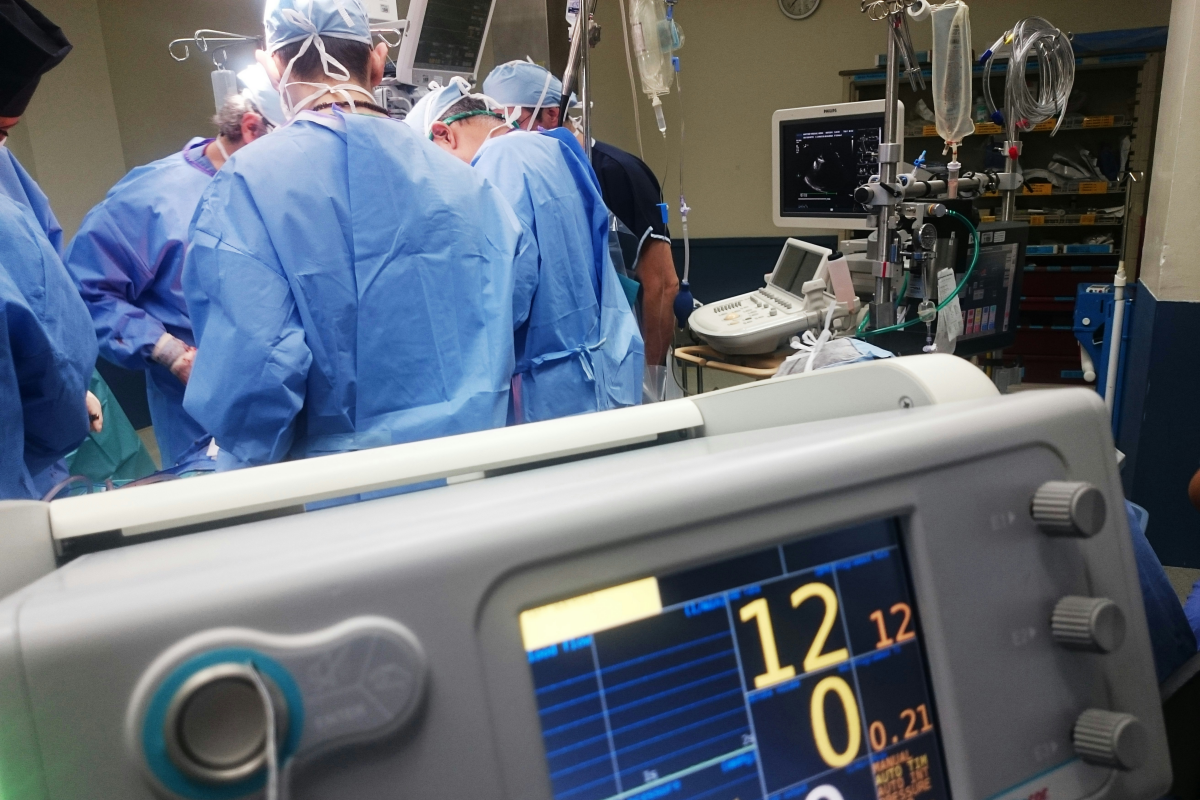
In patient monitors, infusion pumps, and point-of-care diagnostic devices, a shattered display creates immediate contamination and injury risks. Our chemically tempered safety glass with PET film lamination meets IEC 62368-1 clause 5.6 (mechanical strength) and is compatible with IP65 sealing requirements.

  • Biocompatible coatings available (ISO 10993 guidance)
  • Chemical resistance to hospital-grade disinfectants
  • Cleanroom-assembled to ISO Class 7
Anti-shatter safety glass used in medical device display cover
Our Process

From Drawing to Delivery

A transparent, documented workflow that eliminates supply chain uncertainty at every stage.

1

Blueprint Review

Submit DXF/DWG files or dimensional drawings. Our engineers review feasibility within 24 hours.

2

Material & Process Selection

We recommend the optimal glass substrate, tempering method, and surface treatment for your application.

3

Rapid Prototyping

7-14 day prototype turnaround. Physical samples with full QC report for your engineering validation.

4

Mass Production & 100% Inspection

Automated optical inspection, stress measurement by polariscope, and documented outgoing QC per lot.

5

Lifecycle Support

Engineering change management, reorder tracking, and compliance updates for evolving EU/US regulations.

Common Questions

Technical FAQ

Questions we hear from purchasing managers and R&D engineers before placing their first order.

What is the difference between chemically tempered and thermally tempered glass for display applications?
Thermal tempering heats glass above 600°C and rapidly quenches it, creating compressive stress but also introducing optical distortion (roller wave) and limiting minimum thickness to ~3mm. Chemical tempering (ion exchange) uses a potassium salt bath at ~400°C -- no optical distortion, compatible with glass as thin as 0.55mm, and achieves higher surface compressive stress (CS ≥ 700 MPa vs. ~100 MPa for thermal). For precision display covers where optical clarity and thin form factor matter, chemical tempering is the correct choice.
How do you verify the compressive stress (CS) and depth of layer (DOL) in production?
We use a surface stress meter (FSM-6000LE or equivalent) on every production batch -- not just incoming raw glass. CS and DOL readings are logged per lot number and included in the Certificate of Conformance (CoC). Buyers can request raw measurement data files. This is a standard deliverable, not an add-on.
Can you match our existing glass supplier's specifications for a direct drop-in replacement?
Yes. Send us your existing spec sheet, drawings, and a sample unit. Our engineers will reverse-engineer the process parameters and produce a qualification sample for your in-house testing. We routinely do this for customers transitioning from suppliers who failed quality audits. Typical qualification cycle: 3-4 weeks from sample receipt to first prototype delivery.
What documentation do you provide for EU CE marking and US FDA registration support?
Standard documentation package includes: ISO 9001 certificate, RoHS 3.0 declaration, REACH SVHC declaration, material safety data sheet (MSDS), CoC with measured parameters, and process FMEA. For medical device customers, we additionally provide ISO 10993 biocompatibility guidance documentation and can support your technical file with material traceability records. FDA 510(k) support documentation is available upon request with a signed NDA.
What is your minimum order quantity and how do you handle small-volume R&D orders?
Mass production MOQ is 500 pcs. For R&D and prototype phases, we accept orders from 5-50 pcs with a tooling/setup fee that is credited back against the first mass production order. We understand that R&D engineers need physical samples before committing to volume -- this is a normal part of our qualification process, not an exception.
How do you handle NDA and IP protection for custom designs?
We sign mutual NDA before any technical exchange. All customer drawings, specifications, and design files are stored on access-controlled servers and are never shared with third parties or used for competing products. Our NDA template is available for download, or we accept customer-provided NDA formats. For high-sensitivity projects, we can discuss dedicated production line arrangements.
The Winson Difference

Why Procurement Teams Choose Us

We built Winson Optics to solve the problems we experienced on the other side of the procurement table.

Spec Sheet Honesty

Every specification we publish is backed by production measurement data. We don't advertise theoretical maximums -- we quote what our process consistently delivers, verified by third-party lab reports.

Audit-Ready Factory

Our facility is structured for buyer audits at any time -- no preparation needed. Process documentation, equipment calibration records, and material traceability are maintained continuously, not assembled before your visit.

English-Speaking Technical Team

Our engineering and account management team communicates directly in English -- no translation delays, no miscommunicated tolerances. Technical RFQs are answered by engineers, not sales agents.

24-Hour Engineering Response

Submit your RFQ with drawings and receive a technical feasibility assessment -- not just a price -- within one business day. Our engineers flag potential issues before they become costly tooling mistakes.

Zero-Surprise Pricing

Our quotes include tooling, inspection, packaging, and freight estimates. We've eliminated the hidden-cost surprises that inflate your landed cost by 15-30% when sourcing from opaque factories.

15 Years Shenzhen Manufacturing

Founded in 2010 in Shenzhen -- the world's precision manufacturing hub. Deep supplier relationships, established logistics channels, and 500+ global clients across North America, Germany, UK, and Switzerland.

Ready to Specify
Your Safety Glass?

Send us your drawings or describe your application. Our engineering team responds within 24 hours with a technical assessment and transparent pricing -- no sales scripts, no vague timelines.

Email Engineering Team
[email protected]
Accepted File Formats
DXF · DWG · PDF · STEP · IGES
Response Commitment
Technical reply within 24 business hours

Quick Inquiry

By submitting, you agree to our Privacy Policy. We never share your data with third parties.