
Automotive & Transportation Solutions
From HUD cover glass to ADAS sensor windows, we engineer optical components that meet the rigorous demands of in-vehicle environments -- built for reliability, not just specification sheets.
Optical Components We Supply for Automotive OEM & Tier-1
From infotainment bezels to LiDAR sensor windows, Winson Optics delivers fully customized optical components that integrate seamlessly into modern vehicle architectures. Every part is designed for long-term field reliability -- not just lab performance.
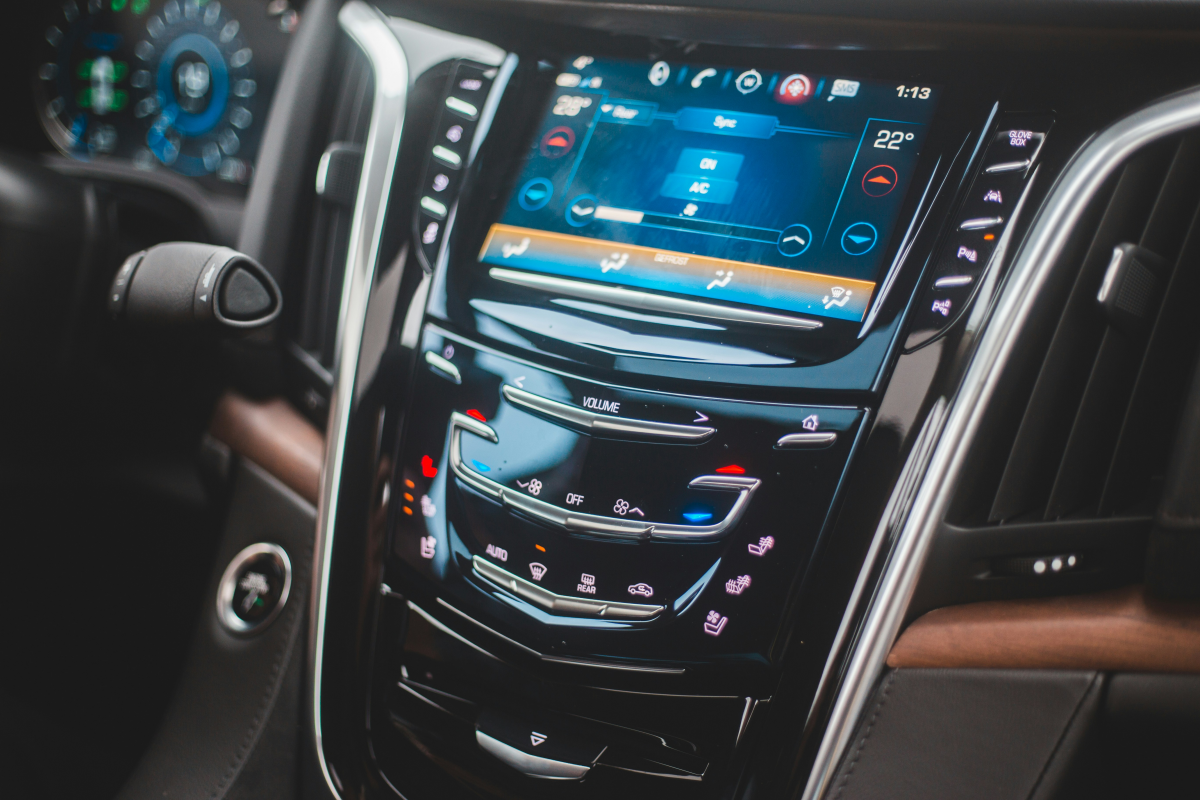
Center Console & Infotainment Cover Glass
Chemically strengthened glass panels with AG/AR dual coating, silk-screen printed bezels, and edge chamfering for flush dashboard integration.
- Gorilla Glass / Tempered Float Glass
- Surface hardness: 9H
- Tolerance: ±0.05 mm CNC edge
HUD Combiner & Projection Optics
Broadband AR-coated combiners with <1% reflectance loss, optimized for 520-570 nm green laser and full-color DLP projection systems.
- AR coating: reflectance <1%
- Optical glass / precision PMMA
- Custom curve radius available
LiDAR & ADAS Sensor Cover Windows
IR-transmissive cover windows for 905 nm and 1550 nm LiDAR systems, with targeted wavelength AR coating and high environmental ingress protection.
- Transmittance: >92% @ target λ
- Sapphire or optical borosilicate
- IP67-compatible sealing geometry
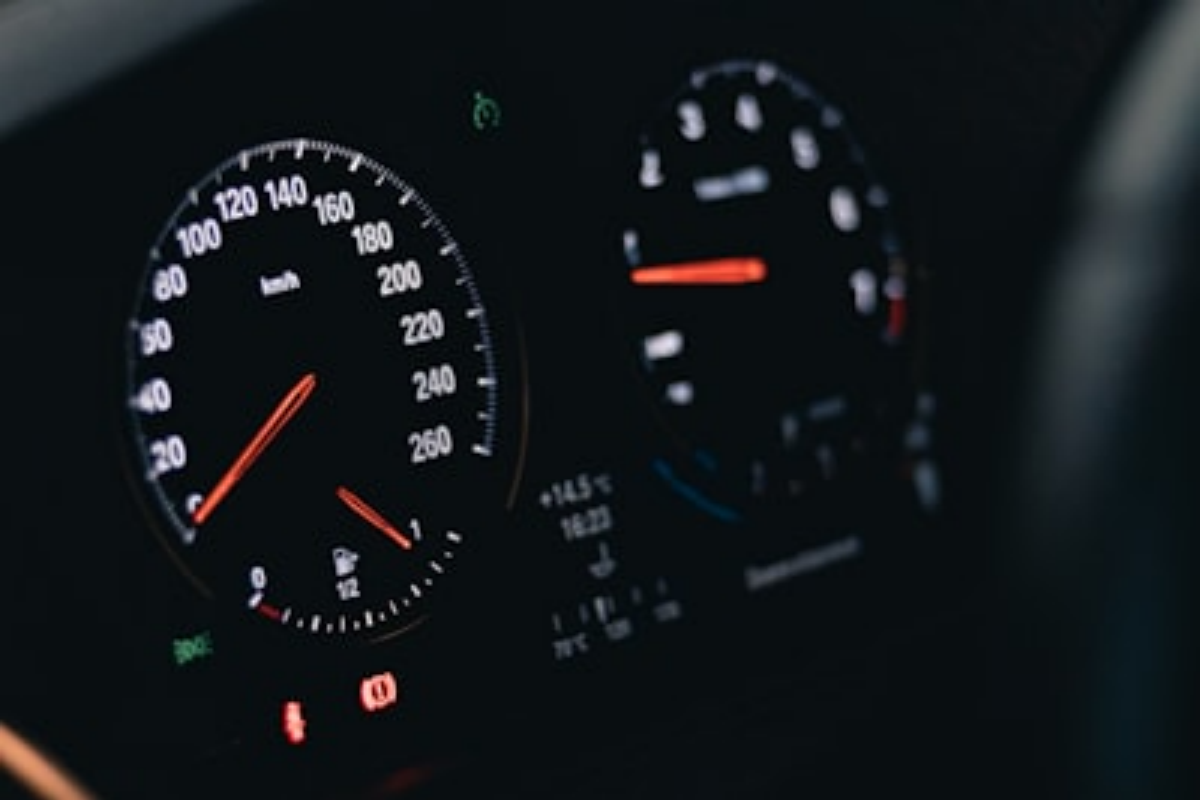
Instrument Cluster Lens Panels
Low-haze (<5%) flat or curved panels with anti-glare treatment, designed for digital cluster displays operating under direct sunlight.
- Haze: <5% (balanced AG)
- Gloss: 40-70 GU customizable
- PC / Hard-coated PMMA / Glass
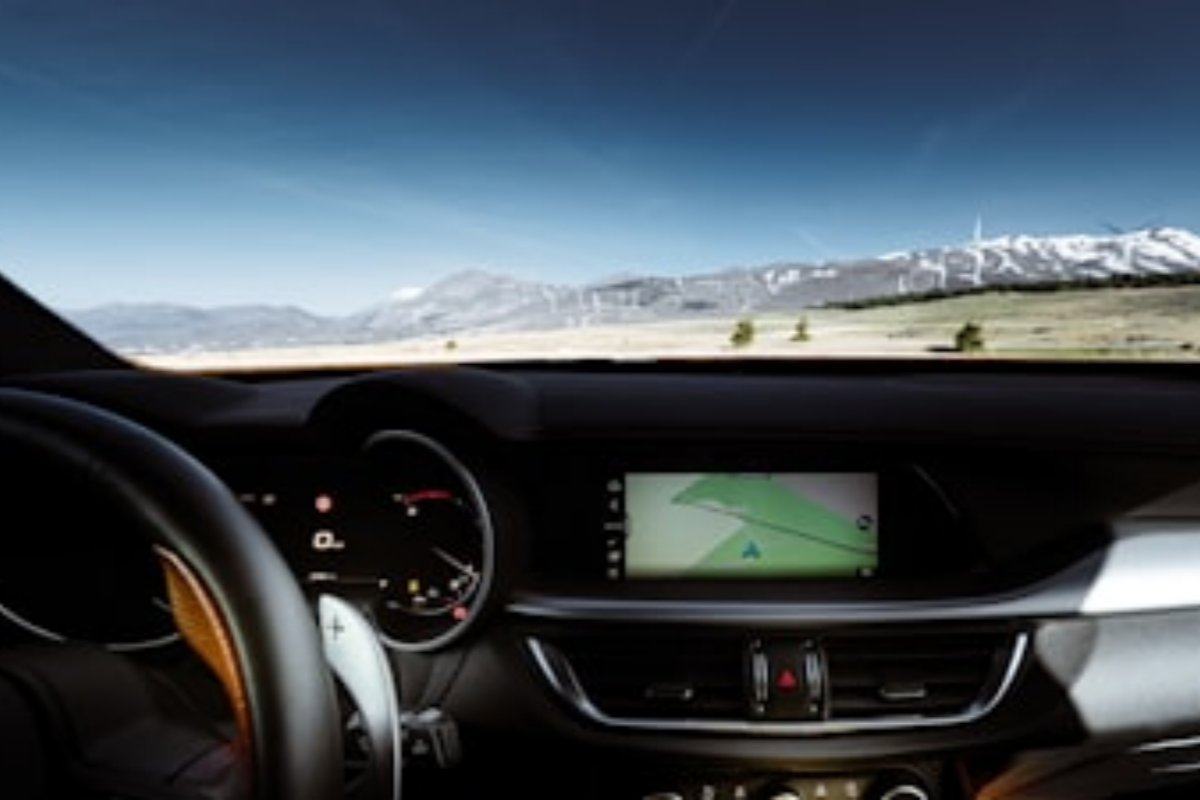
3D Curved Cockpit Display Covers
C-shape and S-shape curved glass panels processed via CNC 3D grinding, enabling seamless integration with luxury interior trim materials.
- Edge tolerance: ±0.05 mm
- Custom radius: R50-R2000 mm
- Compatible with leather/Al trim
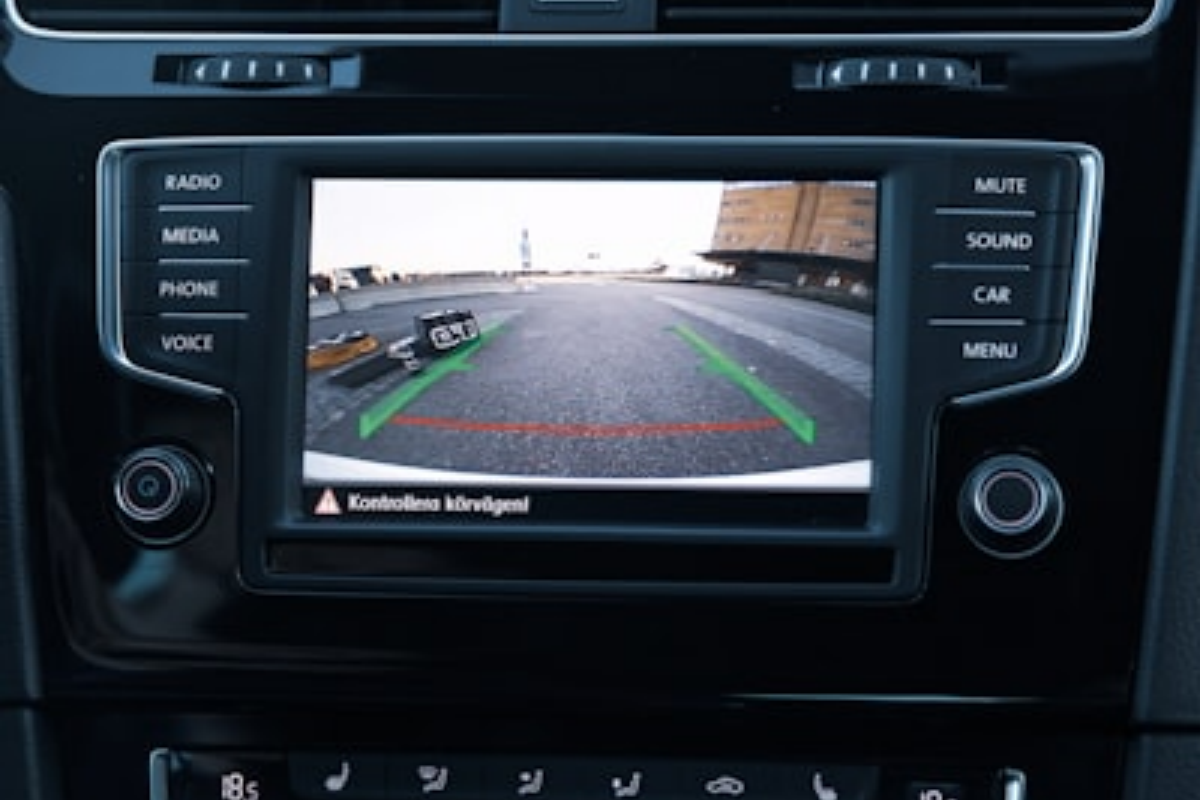
Camera & Parking Sensor Optical Covers
Wide-angle AR-coated optical covers for rear-view cameras and ultrasonic parking sensors, with hydrophobic AF coating for all-weather clarity.
- AF + AR dual coating
- Water contact angle: >110°
- Salt spray: 1,000 hrs verified
Engineering Deep-Dive
5 Critical Challenges in Automotive Optics -- And How We Solve Them
Automotive optical components operate in one of the most demanding environments in consumer manufacturing. Below are the five failure modes we engineer against -- with documented solutions and test data.
Shatter-Proof Cabin Safety
Pain Point: Sharp glass fragments during cabin impact events
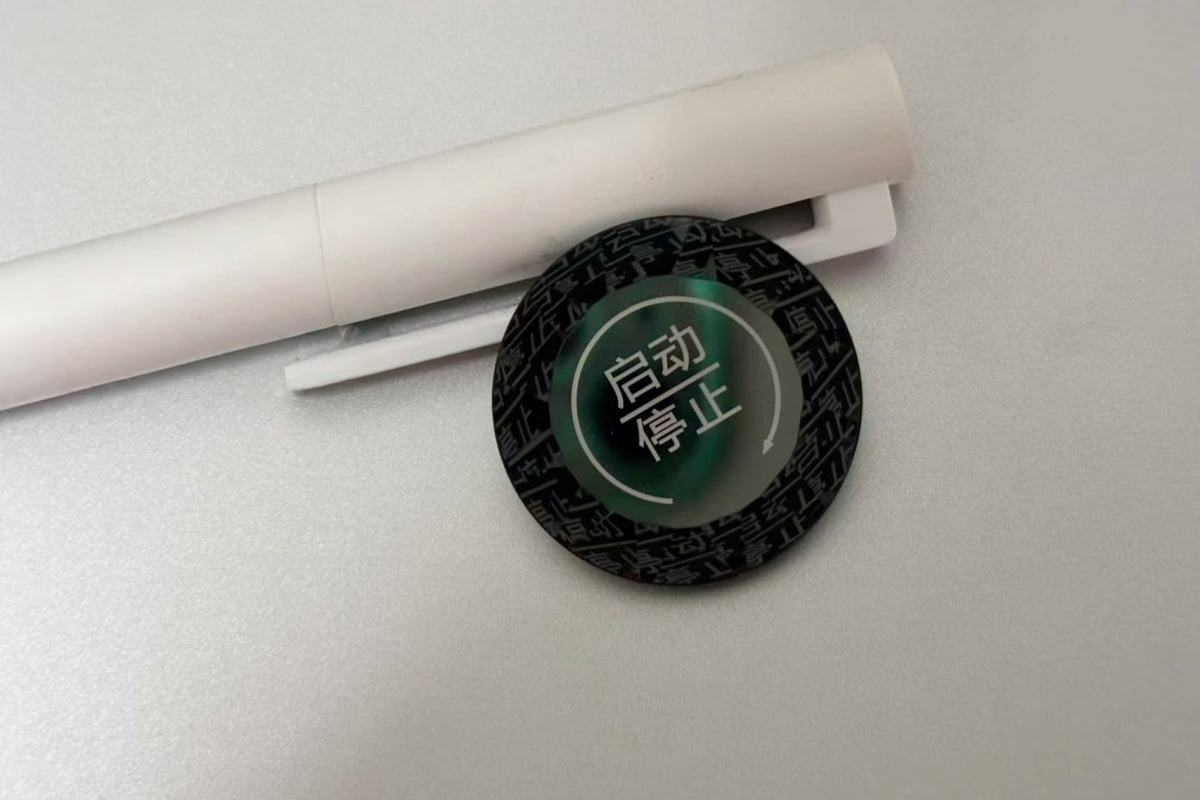
Standard tempered glass, while strong, shatters into small sharp pieces under sudden impact -- a critical liability in vehicle cabins. Our solution combines Double-Ion Exchange (DIX) chemical strengthening with Anti-Shatter Film (ASF) lamination. Under extreme impact, glass fractures into blunt, bonded fragments that remain adhered to the film substrate, meeting global automotive safety protocols including ECE R43 and FMVSS 205.
Complex 3D Curved Geometry
Pain Point: Visible gaps between glass edges and interior trim panels
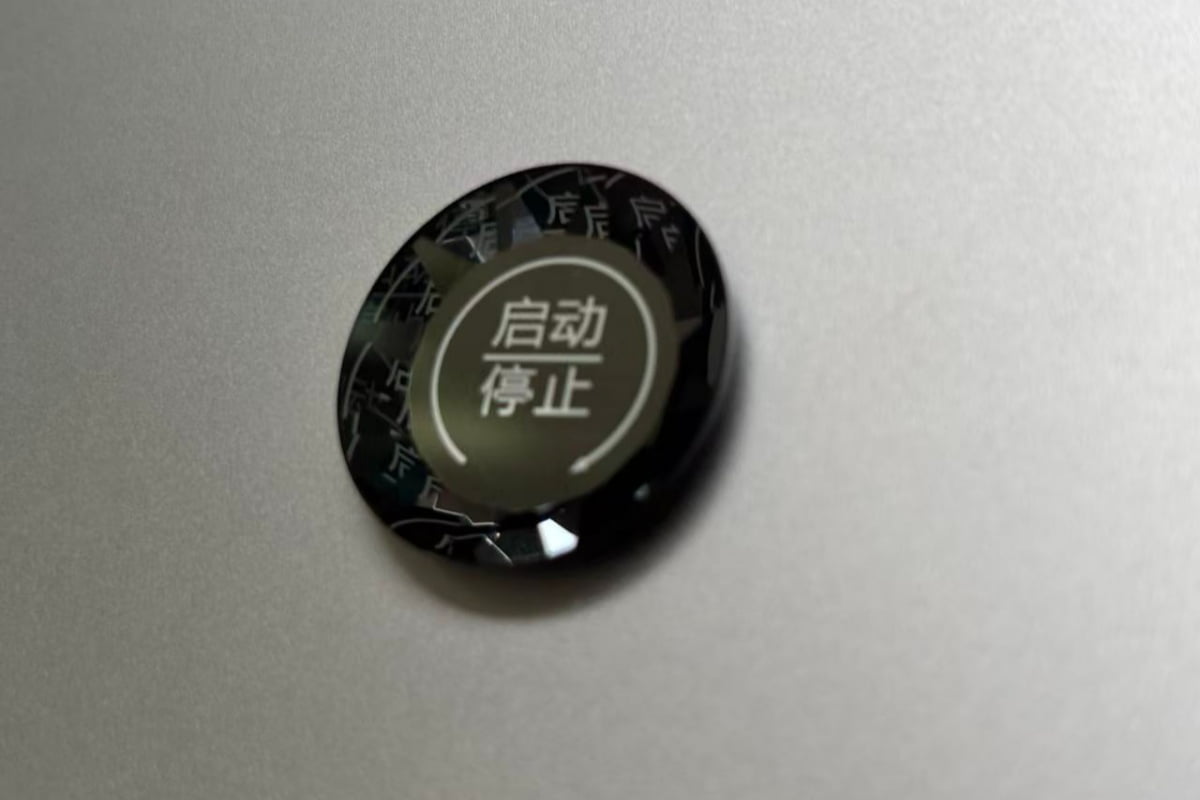
Modern cockpit designs demand glass that wraps around complex interior geometry. Our CNC 3D grinding handles C-shape and S-shape curves with edge tolerances within ±0.05 mm. Each part is dimensionally verified with a Vision Measuring System (VMS) before shipping, ensuring seamless flush fits with leather, aluminum, and wood trim.
Long-Term Wear & Scratch Resistance
Pain Point: Surface haze and scratches degrading display readability over time
Vehicle touchscreens face years of daily contact from fingers, keys, and abrasive cleaning cloths. Our optical glass panels achieve 9H surface hardness, while our high-performance hard-coated PC is specifically engineered for superior scratch and wear resistance. Both materials are rigorously validated to pass 20,000 cycles of steel wool abrasion testing (per DIN 53799), maintaining optical clarity and cosmetic appearance throughout a vehicle's 10+ year service life.
Extreme Environment Ink & Coating Stability
Pain Point: Silk-screen ink peeling or color shift in desert heat and arctic cold
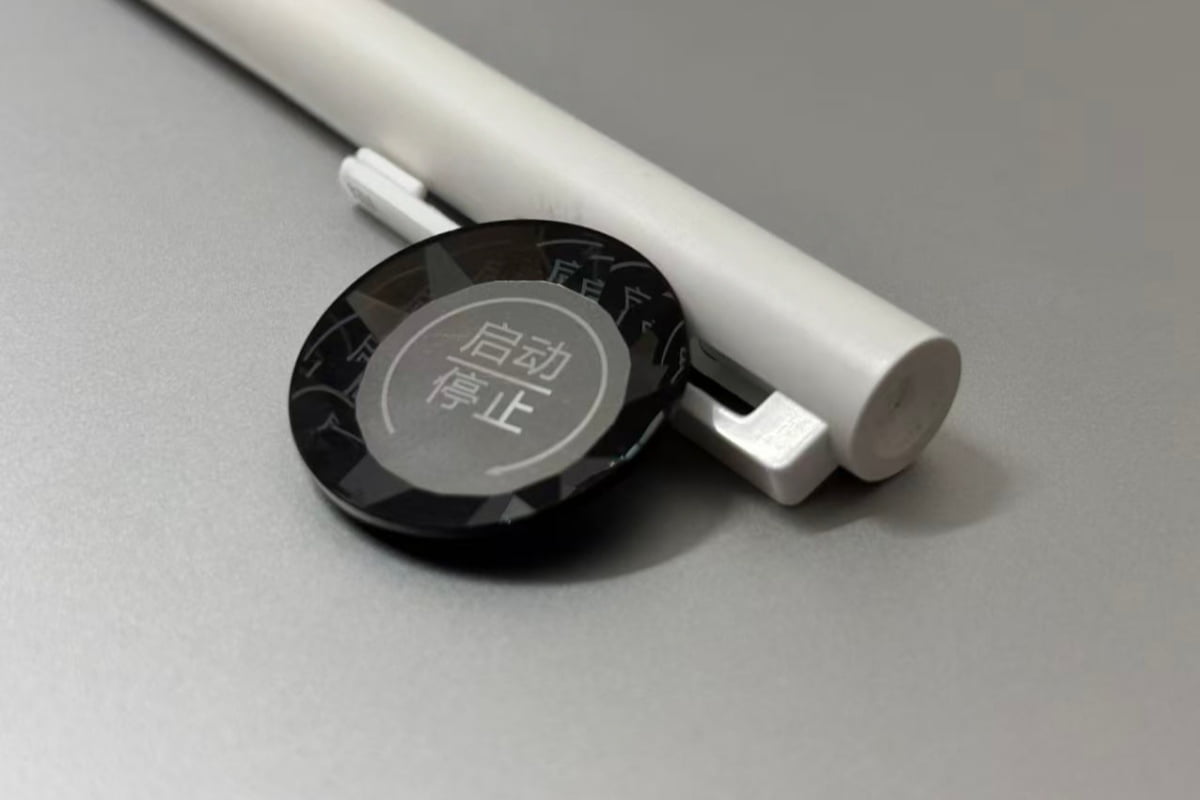
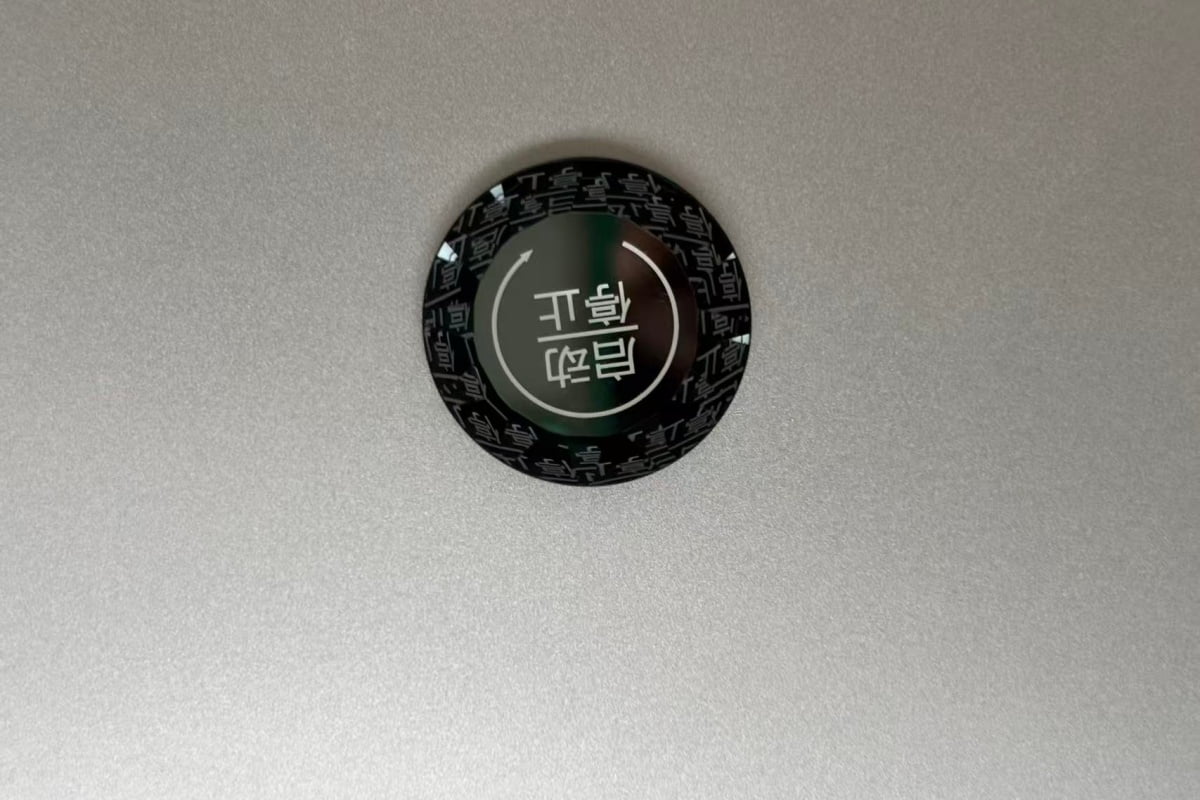
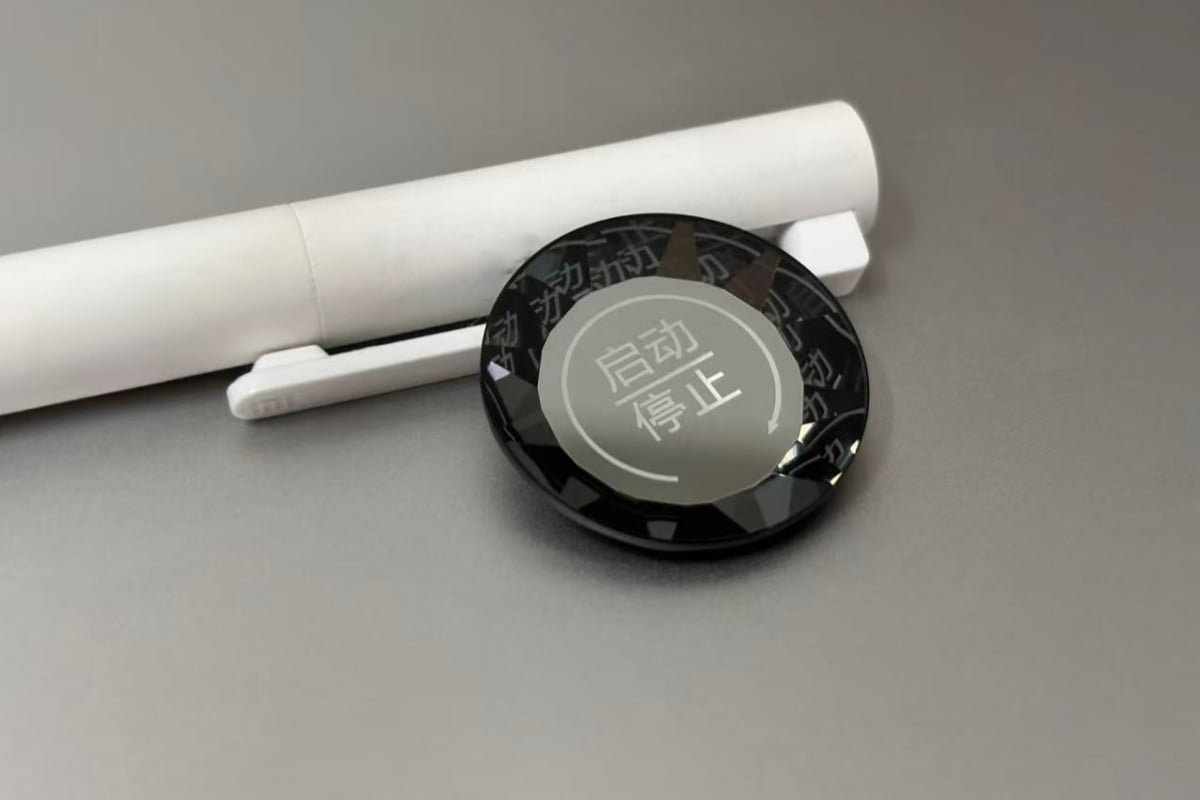
Automotive interiors regularly cycle from -40°C (Arctic parking) to +105°C (summer dashboard in direct sun). Our multi-color silk-screen printing uses automotive-grade ceramic inks verified through 200-cycle thermal shock testing across the full -40°C to +105°C range. Each color layer is independently cured at 60-70°C to prevent substrate thermal deformation, guaranteeing 100% opacity for safety-critical warning symbols.
LiDAR & ADAS Sensor Optical Performance
Pain Point: IR noise reducing autonomous sensor detection accuracy
Autonomous driving systems depend on sub-millimeter detection accuracy. Generic cover glass introduces IR scatter and reflectance that degrades sensor confidence scores. Our wavelength-specific AR and IR-cut coatings are tuned to 905 nm (solid-state LiDAR) and 1550 nm (fiber LiDAR) operating frequencies, achieving >92% transmittance at target wavelengths while blocking stray solar IR. Compatible with Velodyne, Luminar, and Ouster sensor housings.
Optical Performance Standards for Automotive Applications
Every parameter below is measured per batch with calibrated spectral analyzers and reported in the outgoing inspection certificate.
| Parameter | Winson Standard | Test Method | Automotive Benefit |
|---|---|---|---|
| Gloss Level (AG) | 40-70 GU (Customizable) | ISO 2813 / BYK Glossmeter | Eliminates dashboard glare under direct sunlight, reducing driver eye strain. |
| Reflectance (AR) | <1% (Broadband 420-700nm) | ASTM E1175 / Spectrophotometer | Maximizes HUD projection contrast and legibility during night driving. |
| Haze (Clarity) | <5% (Balanced AG) | ASTM D1003 / Haze-Gard | Preserves color saturation in navigation maps and instrument cluster graphics. |
| IR Transmittance | >92% @ 905nm / 1550nm | FTIR / Lambda 950 Spectrophotometer | Ensures maximum LiDAR detection range and ADAS sensor confidence scores. |
| Surface Hardness | 9H (Glass) / 6H (Hard-PC) | Pencil Hardness / Vickers | Maintains "factory-new" appearance through 10+ year vehicle service life. |
| Thermal Shock | -40°C to +105°C, 200 cycles | IEC 60068-2-14 / IATF Protocol | Guarantees ink adhesion and coating integrity across all global climates. |
Choosing the Right Material for Your Automotive Application
The wrong material choice is the most common cause of field failures. Our engineering team guides you through this decision during the free design review.
Tempered / Gorilla Glass
Best for high-touch surfaces requiring maximum scratch resistance, optical clarity, and premium feel. Ideal for infotainment, instrument clusters, and HUD combiners.
- Hardness: 9H
- Temp resistance: up to 165°C
- Transmittance: >91%
- Lead time: 15+ days (mass prod.)
Polycarbonate (PC) Hard-Coated
Optimal for safety-critical covers where impact resistance is paramount. Bulletproof-grade substrate with 6H hard coating for daily wear resistance. Used in ADAS sensor housings and door panel inserts.
- Impact resistance: extremely high
- Temp resistance: up to 130°C
- Requires UV absorber for outdoor use
- Lead time: 7-10 days (mass prod.)
Laminated PC + PMMA Sheet
Premium composite: PC base for structural impact resistance, PMMA surface for 92% optical clarity and natural scratch hardness. Best of both worlds for curved cockpit panels and luxury trim.
- Surface clarity: 92% (PMMA)
- Impact resistance: PC-grade
- Higher unit cost than mono-material
- Naturally UV-stable surface
Quality Protocol
PPAP-Logic Quality Control:
Data-Driven, Not Promise-Driven
"In automotive supply chains, a verbal promise is worthless. Every shipment from Winson is accompanied by a full inspection certificate with measured data -- not just a passed/failed stamp. This is the procurement standard I applied when I was a buyer, and it's the standard I hold our factory to today."
Verified Lab Procedures
-
Cross-Cut Adhesion Test (ISO 2409) Verifies ink and coating bond strength before and after thermal cycling.
-
Salt Spray Corrosion Test (ISO 9227) 1,000-hour neutral salt fog exposure to simulate coastal and road-salt environments.
-
100% VMS Dimensional Scanning Vision Measuring System verifies all critical dimensions against customer CAD tolerances.
-
Spectral Transmittance & Reflectance Report Per-batch spectrophotometer data for AR, AG, and IR-cut coating performance.
-
Steel Wool Abrasion Test (20,000 Cycles) Confirms surface hardness and coating durability for high-touch display applications.
Automotive Project Timeline: What to Expect
Transparency in delivery schedules is part of our procurement-first philosophy. Below are standard lead times -- your dedicated project manager will confirm exact dates during the design review.
Glass Components
Glass is cut first, then undergoes silk-screen printing, coating, and strengthening. This sequence cannot be reversed.
Plastic Components (PC / PMMA)
Plastic panels are processed (printed, coated) before final CNC cutting to prevent edge contamination and ensure clean cut geometry.
Frequently Asked Questions: Automotive Optical Components
Questions we receive from automotive purchasing managers and R&D engineers before placing their first order.
- What drawing formats do you require for automotive optical components?
- We require three file types for a complete production package: CAD (DWG/DXF) for structural dimensions, tolerances, hole locations, and CNC machining paths -- this is the "skeleton" of the part. CDR (CorelDRAW vector) for silk-screen artwork, logo positions, and Pantone color codes -- the "skin" of the product. PDF as a reference rendering to prevent software version misalignment. If you only have one or two of these, our engineering team can help create the missing files based on your requirements.
- Can you supply automotive-grade glass that passes IATF 16949 supplier audits?
- Yes. Our quality management system is built around IATF 16949 logic, including PPAP documentation support, FMEA review upon request, and full traceability from raw material lot to finished goods. We provide complete inspection certificates with measured data (not just pass/fail stamps) for every shipment, enabling straightforward supplier qualification audits.
- What is the difference between AG (Anti-Glare) and AR (Anti-Reflection) coating for automotive displays?
- AG (Anti-Glare) uses micro-etching to scatter reflected light, reducing mirror-like reflections. It is measured in Gloss Units (GU) and is ideal for displays in direct sunlight, such as center consoles and instrument clusters. AR (Anti-Reflection) uses thin-film interference coatings to reduce reflectance below 1%, maximizing light transmission. It is ideal for HUD combiners and night-driving displays where contrast is critical. Many automotive applications benefit from both coatings applied together (AR+AG dual stack).
- Why does LiDAR sensor cover glass require special treatment compared to standard display glass?
- Standard display glass is optimized for the visible spectrum (400-700 nm). LiDAR systems operate at 905 nm or 1550 nm -- infrared wavelengths where standard glass can have unpredictable transmittance and reflectance. A cover glass with even 5% IR reflectance at 905 nm can reduce detection range by 10-15% and introduce ghost echoes. Our LiDAR covers use wavelength-specific AR coatings verified by FTIR spectrophotometry to achieve >92% transmittance at the exact operating frequency, with a full spectral data sheet included in the shipment.
- What is the minimum order quantity (MOQ) for automotive optical prototyping?
- For prototyping, we accept small quantities starting from 5-10 pieces to support your design validation process. Glass prototypes typically require 10-15 days; plastic (PC/PMMA) prototypes are ready in 3-5 days. Mass production MOQs depend on material and complexity -- contact our engineering team for a project-specific quote. NDA agreements are available before sharing any technical drawings.
Start Your Automotive Optics Project with Winson
Send us your CAD drawing or describe your application. Our engineering team responds within 24 hours with a technical feasibility assessment and indicative pricing.
Shenzhen-based manufacturer · 10+ years precision manufacturing · ISO 9001 · RoHS & REACH compliant