Winson Optics

Customized Hard-Coated (4H-6H) Acrylic Manufacturer

Purpose-engineered for high-touch industrial and consumer interfaces.

Product Gallery

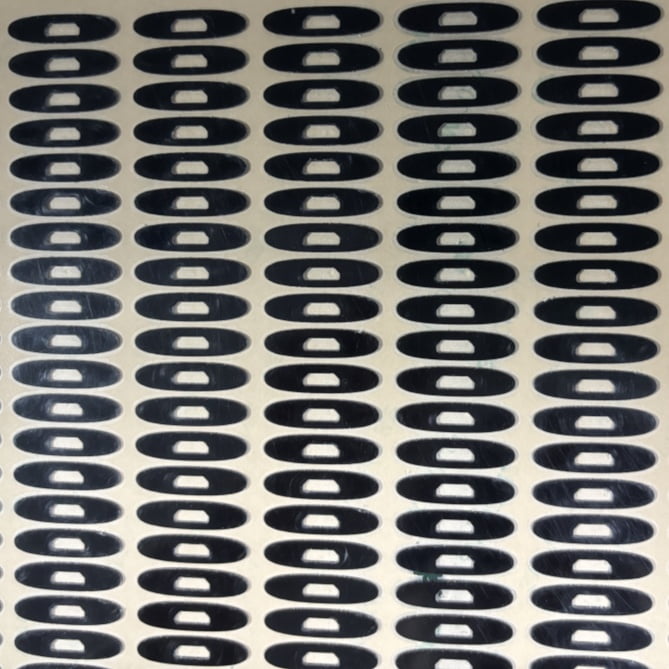
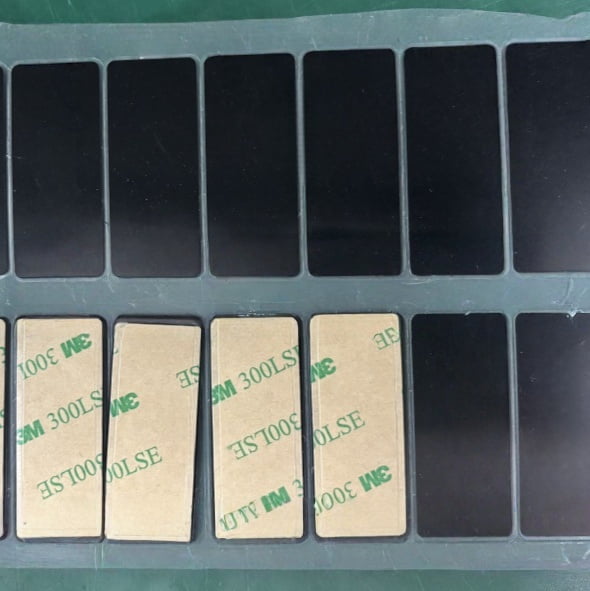
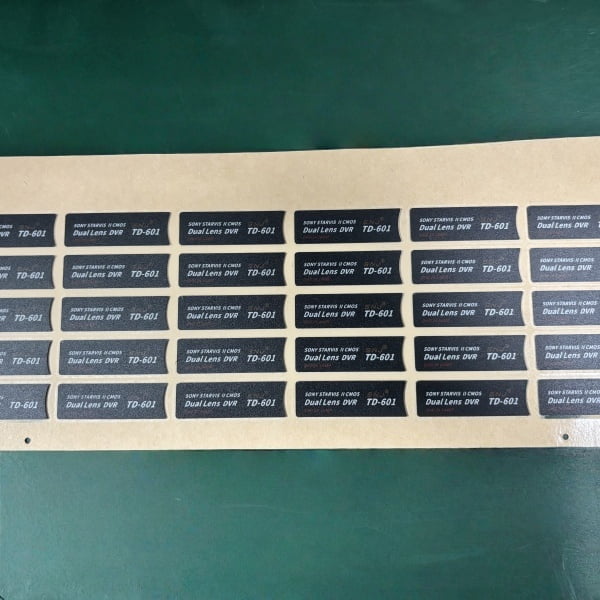
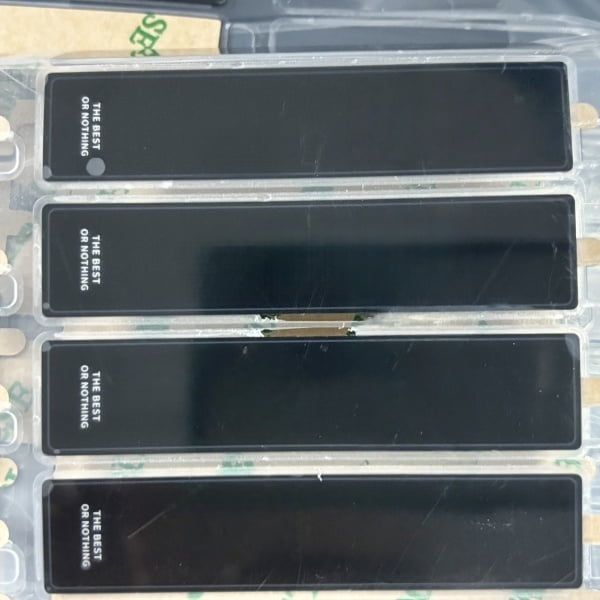
Precision-engineered 4H-6H hard-coated acrylic panels for industrial HMI and consumer interfaces.
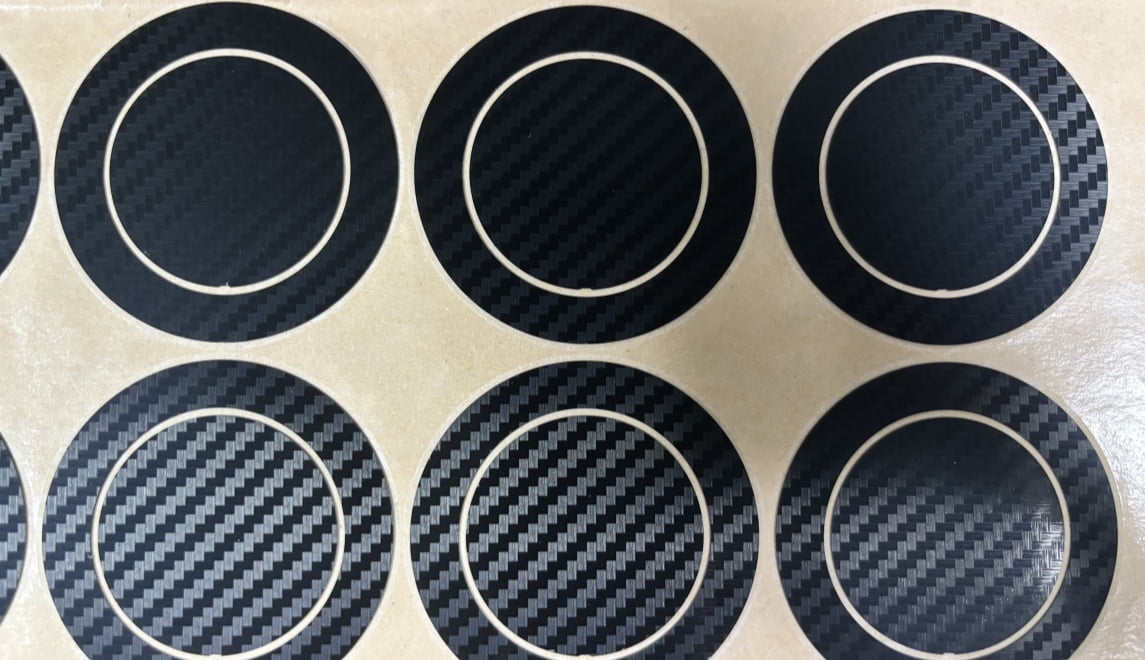
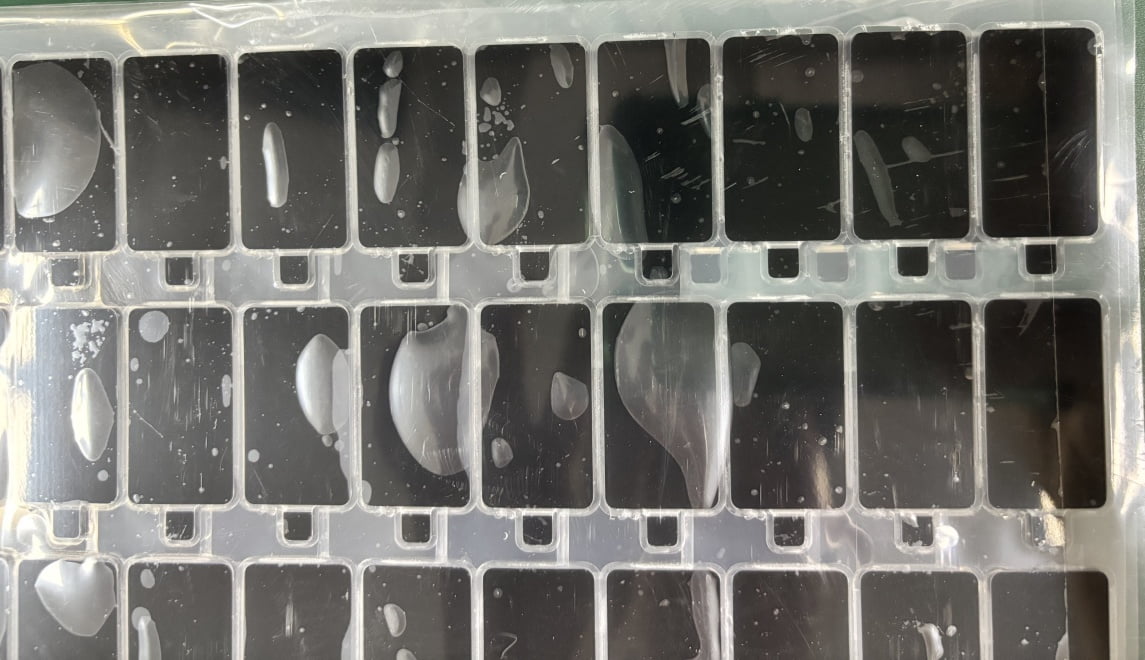
Hard-coated acrylic precision finish
Process details
Detail 1
Detail 2
Detail 3
Detail 4
4H-6H Hardness
±0.05mm Precision
92% Transmittance

Why the Coating Grade Matters More Than You Think

Bare PMMA scratches at 2H. Our proprietary UV-cured hard coat elevates it to 4H-6H -- the sweet spot for industrial interfaces that must survive years of daily contact without hazing.

Uncoated PMMA

  • Scratches at 2H pencil hardness
  • Hazes within months of use
  • Fails chemical resistance tests
  • Warranty claims & field returns

UV-Cure
Hard Coat

Winson 4H-6H Hard-Coated

  • 4H-6H pencil hardness (verified)
  • Retains clarity after 10,000+ wipes
  • Isopropanol & mild solvent resistant
  • Reduces field failure rate by >80%

Pencil Hardness Scale -- Where We Stand

2B
B
HB
2H
3H
Our Range
4H
5H
6H
7H
9H
Bare PMMA limit (2H) Winson Hard-Coat range (4H-6H)

Full Technical Specifications

Every parameter is verified against our internal QC protocol. Non-standard requirements? Our engineers will assess feasibility within 24 hours.

Optical Properties

Light Transmittance ≥ 92%
Haze (uncoated) ≤ 1.0%
Refractive Index 1.49
Wavelength Range 380-780 nm
UV Blocking (opt.) < 380 nm

Mechanical & Coating

Pencil Hardness 4H - 6H
Coating Method UV-Cure / Dip
Abrasion (Taber) ≤ 5% Δhaze / 500cy
Adhesion (cross-cut) 0B (ISO 2409)
Chemical Resist. IPA, mild alkali

Dimensional & Process

Thickness Range 1.0 - 10.0 mm
Thickness Tolerance ± 0.1 mm
Size Range 10 × 10 - 1200 × 800 mm
Cutting Method CNC / Laser
Operating Temp. -40°C ~ +80°C

Available Surface Treatments & Add-Ons

HC (Hard Coat)
Base layer. 4H-6H pencil hardness, scratch & abrasion resistance. Applied single or double-sided.
AR (Anti-Reflection)
Reduces surface reflectance to <0.5%. Ideal for bright ambient environments and outdoor kiosks.
AG (Anti-Glare)
Micro-etched matte finish. Diffuses specular reflection. Common in medical HMI and industrial HMI.
AF (Anti-Fingerprint)
Oleophobic top coat. Contact angle >100°. Easy wipe-clean for touch-interactive panels.

Treatments can be combined (e.g., HC+AR+AF). Stack compatibility confirmed by our engineering team on a per-project basis.

Where Our Hard-Coated PMMA Performs

Designed for environments where optical clarity, surface durability, and compliance are non-negotiable.
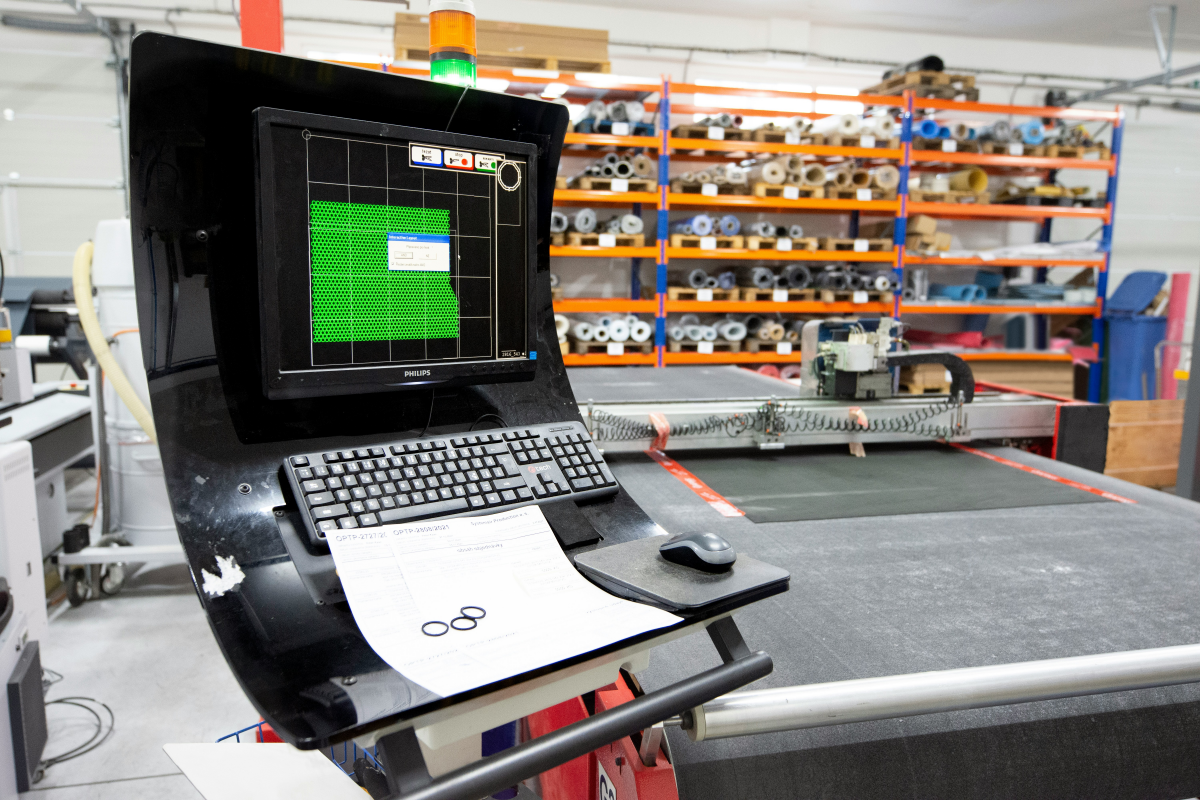
Industrial HMI touch panel with hard-coated PMMA display window
Industrial Control

HMI Touch Panels & Operator Interfaces

Withstands gloved-hand operation, cleaning agents, and continuous use in factory environments. AG coating reduces glare from overhead lighting.

Medical device display window with anti-fingerprint hard-coated acrylic
Medical Devices

Patient Monitor & Diagnostic Equipment Covers

AF+HC combination enables IPA wipe-down protocols. Lightweight vs. glass reduces device total weight -- critical for portable diagnostics.
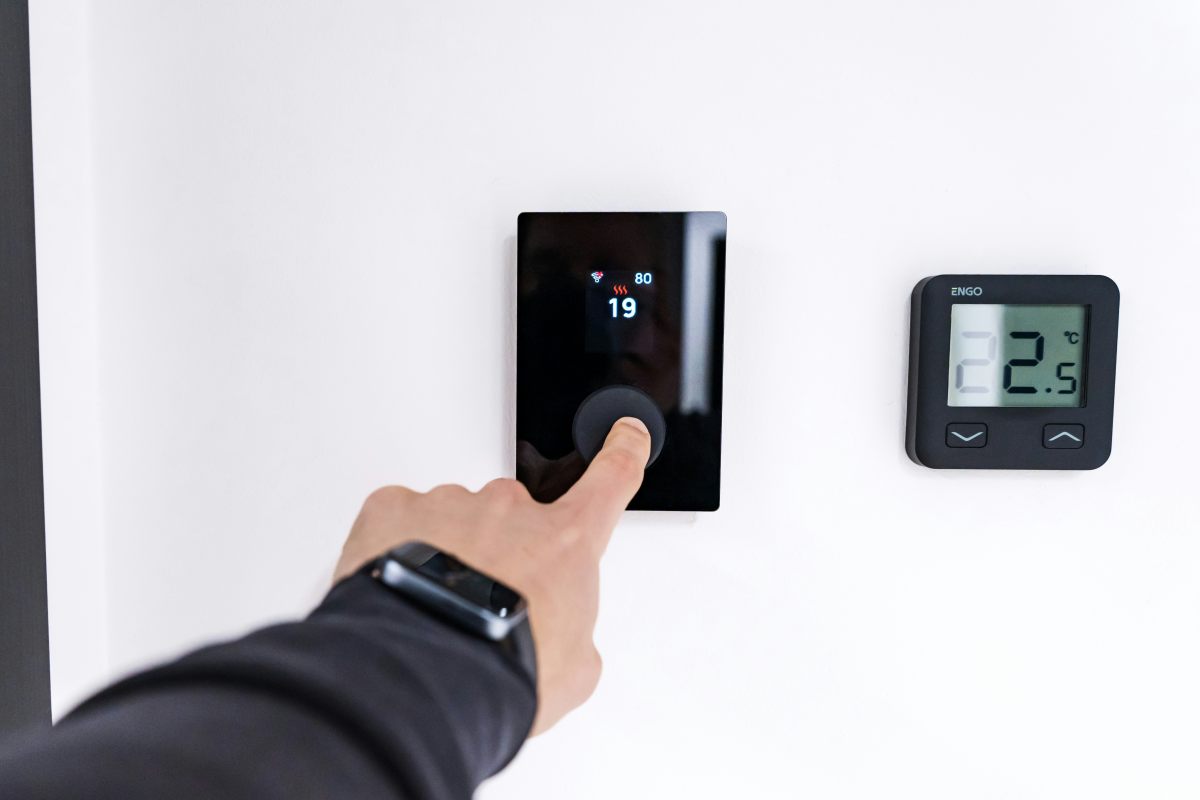
Smart home control panel with clear acrylic display window
Smart Home

In-Wall Touch Controllers & Smart Displays

High optical clarity + AF coating for daily touch use. Custom silk-screen printing available for UI framing and branding elements.
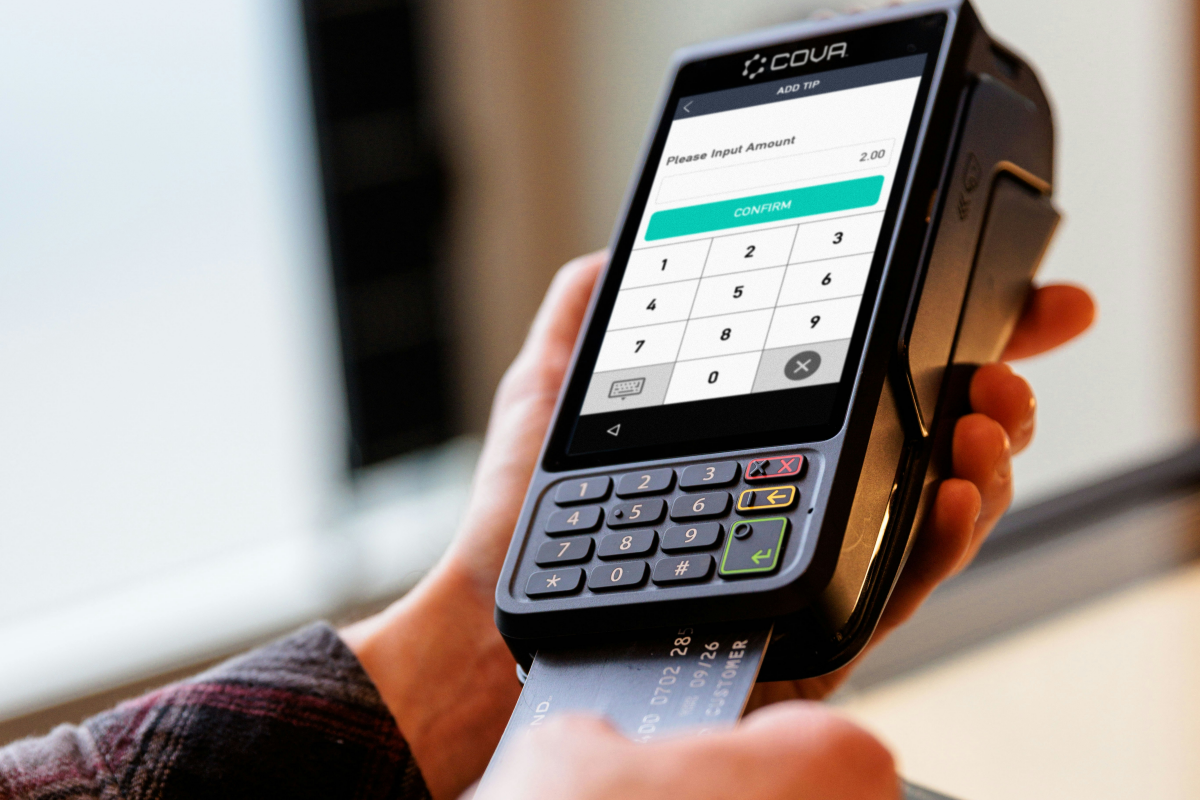
Outdoor kiosk display window with anti-reflection hard-coated PMMA
Kiosk & Retail

Self-Service Kiosks & Interactive Signage

AR coating maximizes readability in high-ambient-light retail settings. Vandal-resistant 6H surface reduces maintenance cost over product lifecycle.

Questions Engineers & Buyers Ask Us

Straight answers -- no marketing fluff.

Can the hard coat withstand IPA cleaning in a medical environment?
Yes. Our UV-cured hard coat passes IPA wipe resistance testing (50 wipes, 70% IPA concentration) with no visible degradation in hardness or clarity. For more aggressive disinfectants (e.g., quaternary ammonium compounds), we recommend specifying this upfront so we can select the appropriate coating chemistry -- not all formulations are equal.
Why not just use tempered glass for higher hardness?
Glass is 2.5× heavier, shatters on impact (a critical safety concern in medical and portable devices), and is significantly more expensive to cut into complex shapes. Hard-coated PMMA at 4H-6H is sufficient for the vast majority of industrial and consumer touch interfaces. If your application requires 9H+ hardness under extreme abrasion, we'd recommend our sapphire or Gorilla Glass options instead -- and we'll tell you that honestly rather than oversell PMMA.
What's the minimum order quantity for prototypes vs. production?
Prototypes: as low as 5-10 pieces (geometry and coating dependent). Production MOQ is typically 100-500 pieces, but varies based on part size and complexity. We don't enforce rigid MOQ rules that penalize R&D-stage buyers -- tell us your project stage in the RFQ and we'll structure pricing accordingly.
How do you verify hardness -- and will you share the test reports?
We test per ASTM D3363 (pencil hardness) and ASTM D1044 (Taber abrasion). Test reports are included with every prototype shipment and available on request for production batches. We also perform cross-cut adhesion (ISO 2409) to confirm coating bond integrity -- because hardness without adhesion is meaningless.
Are your materials RoHS and REACH compliant for EU export?
Yes. All PMMA substrates and coating materials are sourced from suppliers with current RoHS and REACH compliance declarations. We can provide SVHC (Substances of Very High Concern) declarations for REACH compliance and full RoHS test reports from accredited third-party labs on request. This is standard for our EU customers -- not an add-on.